
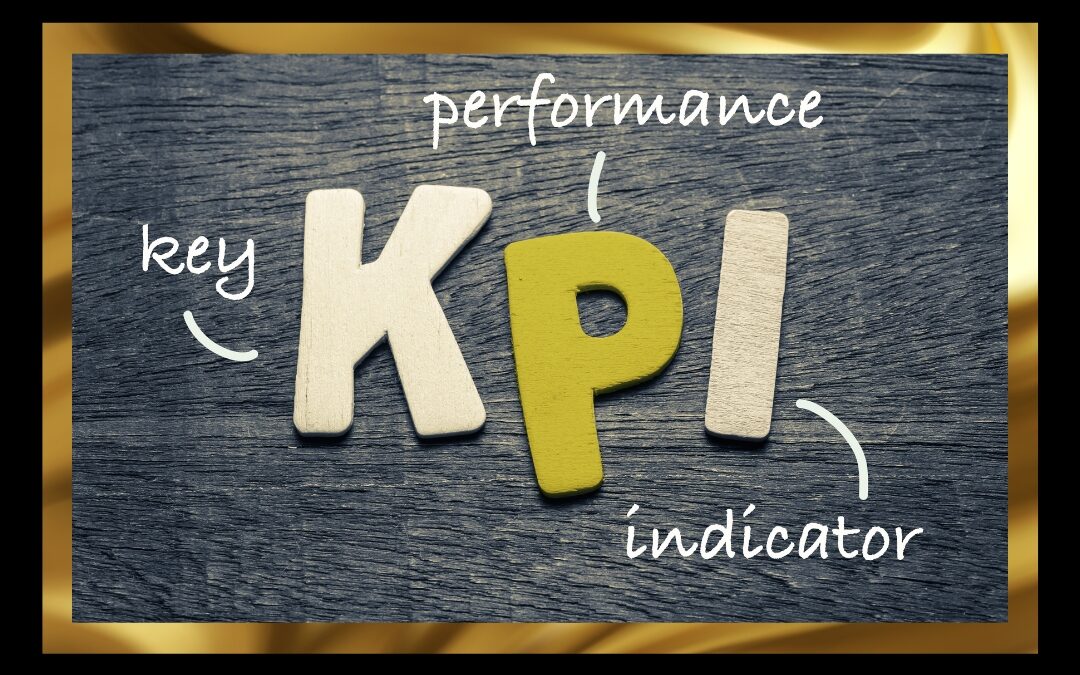
From Gold Dust to Nuggets: Using KPIs to Track Startup Growth
Starting a business is like panning for gold — thrilling, but uncertain. To find real value, you need tools that reveal whether your efforts are producing golden nuggets or just shifting dirt. For new businesses, those tools are Key Performance Indicators (KPIs).
Key Takeaways
- KPIs are the golden scales that measure startup progress.
- Track financial, customer, operational, and marketing KPIs.
- Avoid vanity metrics and overloading KPIs — focus on what matters.
- Regularly review and adjust KPIs to match growth and market changes.
- KPIs should be tied to your business plan and strategy.
Why Set KPIs?
Key Performance Indicators (KPIs) help startups measure success, monitor financial health, and stay focused on goals. They provide clarity, guide decision-making, and highlight where improvements are needed.
What KPIs Are (and Aren’t)
KPIs are measurable indicators that track how well your business is achieving specific objectives. They differ from broad goals like “grow revenue” because they must be SMART: Specific, Measurable, Achievable, Relevant, and Time-bound.
Expert Insight: “KPIs are the compass points that guide your business from vision to measurable outcomes.”
Why KPIs Matter for Startups
Goals and KPIs should move with market changes and remain relevant as your business evolves. KPIs help startups:
- Monitor sales, profitability, and cash flow.
- Identify which strategies are working.
- Compare performance against industry benchmarks.
- Build confidence with investors and lenders.
Think of KPIs as golden scales. They weigh your activities and show whether you’re on track or need to adjust.
Common Startup KPIs to Track
Every business is unique, but these categories are especially useful for startups:
Financial KPIs
- Revenue growth rate – Track whether sales are rising month by month.
- Gross profit margin – Shows profit before overheads. A healthy range depends on your industry, but higher is better.
- Cash flow – Balance cash in versus cash out to ensure bills and growth plans can be covered.
- Break-even point – When revenue consistently covers costs.
- Debtor days / aged debt – How long customers take to pay. While many businesses aim for 14–30 days, terms vary by industry, and some allow up to 60–90 days. (ATO – Debtor records)
Sales and Customer KPIs
- Sales volume – Compare monthly sales against business plan targets.
- Conversion rate – What percentage of enquiries turn into paying customers?
- Customer acquisition cost (CAC) – The cost of winning each customer.
- Customer lifetime value (CLV) – The total revenue a customer generates over time.
- Retention rate – The percentage of customers who return.
Operational KPIs
- Productivity – Output per employee or turnaround times.
- Error rates – Measure quality and efficiency.
Marketing KPIs
- Website traffic and conversions – Do visitors become leads or buyers?
- Social media engagement – Are campaigns reaching and engaging the right audience?
How to Set and Use KPIs
- Start with clear goals – Define what success looks like.
- Make them SMART – Keep targets measurable and realistic.
- Choose a handful of critical KPIs – Focus creates clarity.
- Benchmark performance – Record where you are now and compare with industry standards.
- Review regularly – Update KPIs monthly or quarterly as your business grows.
Business Victoria also recommends linking KPIs to critical success factors (CSFs) — the essential actions your business must get right.
Common Mistakes to Avoid
- Tracking vanity metrics – Likes and followers don’t equal growth.
- Overloading with too many KPIs – Focus on the most impactful measures.
- Failing to review – Outdated KPIs don’t drive improvement.
- Ignoring context – Compare against industry benchmarks, not just raw numbers.
The Golden Rule
KPIs are the golden scales that measure your startup’s progress. By setting them wisely and reviewing them regularly, you’ll avoid wasted effort and build confidence in your decisions.
Do you want your startup to strike gold, not gravel? At DJ Grigg Financial, we help new businesses choose the right KPIs, set achievable goals, and stay accountable.
Contact us today to ensure your business performance truly shines.
Next in our New Business Startups Series: Find out how to get your business fully operational — from registrations and licences to systems that run smoothly.
Explore the Full New Business Startups Series:
- Define Your Business Idea
- Establish a Mission Statement
- Identify Your Ideal Customer
- Writing a Winning Business Plan
- Do You Need Funding?
- Cash Flow Management for Startups
- Set KPIs and Measure Performance
- Get Your Business Operational
- Tax Essentials for New Business Owners
- Marketing Tips to Grow Your Business
- Hiring Employees
- Your Business Development and Us