
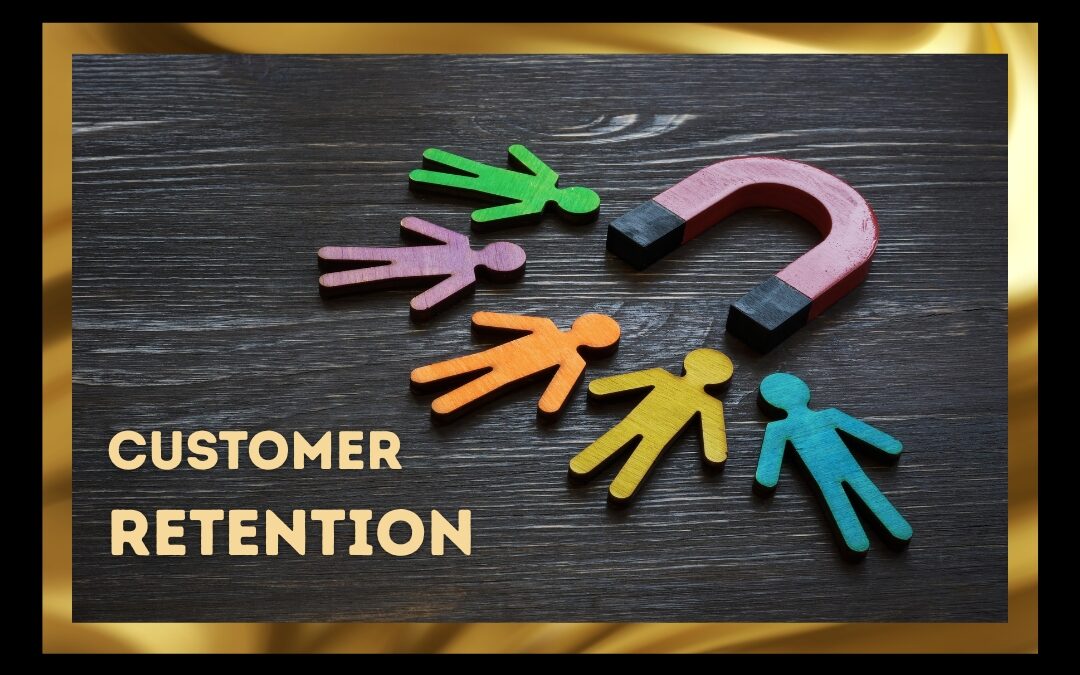
Strike Gold Twice: Strengthening Retention and Recurring Revenue
Article #12 FOCUS:
Strengthen retention and build recurring revenue
Winning a new customer feels like striking gold.
But too many businesses stop digging after the first find.
The real value sits deeper.
It comes from repeat business, long-term relationships, and predictable revenue.
If you are working hard to win customers but not maximising their value, you are leaving gold in the ground.
This article will show you how to strengthen retention and build recurring revenue.
Not through pressure, but through systems that scale.
Key Takeaways
- Retaining customers is often more cost-effective than constantly acquiring new ones.
- Recurring revenue improves cash flow and business stability.
- Strong customer experience systems drive repeat business and referrals.
- Small improvements in retention can significantly impact profitability.
- Measuring retention and customer value helps guide smarter business decisions.
Why Retention Deserves Your Attention
Many businesses focus heavily on attracting new customers.
Marketing campaigns, promotions, and advertising take centre stage.
But reliable research shows a consistent pattern.
Winning new customers is typically more expensive than keeping existing ones, although the exact cost varies by industry.
Long-standing research also suggests that even small improvements in retention can have a meaningful impact on profit.
While these figures vary, the direction is clear.
Retention is one of the most powerful drivers of sustainable growth.
Australian government guidance reinforces this.
Businesses that actively manage customer relationships, communicate effectively, and monitor service performance are more likely to retain customers and build loyalty.
Retention is not just a marketing tactic.
It is a core business system.
Recurring Revenue: Building a Stable Gold Vein
One-off sales create uncertainty.
Recurring revenue creates stability.
It helps you plan ahead, manage obligations, and invest with confidence.
The ATO highlights that managing cash flow is critical for meeting expenses, planning growth, and avoiding financial stress.
Recurring or repeat revenue streams can support this by creating more predictable income.
Examples include:
- Subscription services
- Membership programs
- Service retainers
- Maintenance agreements
- Replenishment products
Not every business needs a subscription model.
But most can introduce elements that encourage repeat transactions.
The goal is simple.
Turn one-off wins into ongoing value.
Step 1: Understand the Customer Journey
You cannot improve retention without visibility.
Every customer moves through a journey:
- Awareness
- Purchase
- Experience
- Repeat
- Referral
Many businesses focus only on the first two.
That is where the opportunity is lost.
Mapping the full journey helps you identify gaps.
Ask:
- What happens after the first sale?
- Do we follow up consistently?
- Are we making it easy to return?
Understanding the journey is the first step to improving it.
Step 2: Build a Consistent Customer Experience
Customers stay when they trust the experience.
Consistency is what builds that trust.
Business.gov.au encourages businesses to communicate clearly, respond promptly, and deliver reliable service at every interaction.
Strong customer experience systems include:
- Clear onboarding processes
- Regular follow-ups
- Fast response times
- Personalised communication
These do not need to be complex.
Simple, repeatable systems often have the biggest impact.
Step 3: Use Feedback to Strengthen Retention
Feedback is one of the most underused tools in business.
It tells you what is working and what needs improvement.
Business.gov.au recommends collecting customer feedback, reviews, and complaints to improve service quality and customer satisfaction.
Businesses that respond to feedback effectively are more likely to retain customers.
Ask for feedback regularly.
Act on it quickly.
Let customers know they have been heard.
This builds trust and loyalty.
Step 4: Create Reasons for Customers to Return
Customers do not always come back on their own.
You need to give them a reason.
This could include:
- Ongoing service offerings
- Product bundles
- Loyalty programs
- Exclusive offers
After-sales service and ongoing engagement help build repeat business and referrals.
Think beyond the first transaction.
Ask:
“What does this customer need next?”
Then design your offering around that need.
Step 5: Introduce Recurring or Repeat Revenue Streams
Recurring revenue does not need to be complicated.
Start with what you already offer.
Consider:
- Bundling services into monthly packages
- Offering maintenance or support plans
- Automating repeat purchases
The goal is to create consistency for both you and your customer.
It improves planning, reduces uncertainty, and strengthens relationships.
Step 6: Monitor Retention and Customer Value
Retention is measurable.
Tracking the right data helps you make better decisions.
Key metrics include:
- Customer retention rate
- Churn rate
- Customer lifetime value
- Purchase frequency
Business.gov.au encourages businesses to use customer data, CRM systems, and performance benchmarks to improve decision-making.
If you are not measuring retention, you are guessing.
Step 7: Strengthen Relationships Through Communication
Strong relationships drive repeat business.
Communication plays a central role.
Regular updates, check-ins, and helpful information keep your business top of mind.
Customers are more likely to return when they feel valued and informed.
Consistent communication also reduces misunderstandings and improves satisfaction.
Common Mistakes That Reduce Retention
Many businesses lose customers without realising why.
Common issues include:
- Poor follow-up after the sale
- Inconsistent service delivery
- Lack of communication
- Ignoring feedback
- Competing only on price
These issues create churn.
And churn reduces profitability.
Fixing them often requires small, consistent improvements.
From Constant Hustle to Reliable Growth
Relying only on new customers creates pressure.
You are always searching for the next sale.
Retention and recurring revenue shift the focus.
They create a system that generates value over time.
Instead of constantly chasing new ground,
you build a mine that produces consistently.
A Practical Example
Consider a business that sells a one-off service for $500.
If the customer buys once, the value ends there.
But with a structured approach:
- The customer returns regularly
- They engage with additional services
- They refer others
Now that single customer delivers far more value.
That is the power of retention.
Final Thoughts: Build Engines, Not Pressure
This article is part of our Business Success Series: From Groundwork to Gold1. Within Mini-Series 3: Build to Scale – Growth Without Chaos, the focus is clear:
Build engines, not pressure.
Retention and recurring revenue are not quick fixes.
They require structure, consistency, and intention.
But the payoff is significant.
You move from chasing revenue
to building it.
Ready to improve customer retention?
If you are working hard to win customers but not seeing long-term value, it is time to change the approach.
We help business owners build structured, scalable systems that improve retention and increase recurring revenue.
Let’s uncover the gold already sitting in your business.
Contact DJ Grigg Financial today and start building your growth engine.
- Business Success Series: From Groundwork to Gold
Mini-Series 3: Build to Scale – Growth Without Chaos ↩︎