Australian residents pay personal income tax on all forms of income after a tax-free threshold of $18,200. The tax office calculate tax at four different rates according to how much income you earn each year, and the tax rate increases the more you make. The highest tax bracket applies to those with a taxable income of more than $180,001.
ATO taxes foreign residents, children, and working holidaymakers differently.
Income tax is the most significant type of tax the ATO collects, making up around half of all taxes they receive.
Types of Taxable Income
The ATO calculates tax on various forms of income, including employment, government support, investment, and business income.
Employment income includes; wages, salary, allowances, bonus payments, termination payments, some lump sum payments, fringe benefits, and superannuation contributions.
Government support includes all pension payments, allowances, carer support, and COVID-19 support payments. Some government support, such as disaster recovery payments, are tax exempt.
Investment income includes interest paid by financial institutions, share dividends, rent from investment properties, managed investment trusts, and capital gains from profit on selling assets. This also includes cryptocurrency gains.
Business income for sole traders is assessed as personal income, while business income for other entities such as companies is taxed separately to the individuals running the business entity.
Annual Tax Return
You have to declare all types of income, Australian and foreign. Any income received in foreign currency needs to be converted to Australian dollar value.
Most people need to lodge a tax return with the Australian Taxation Office each year by 31 October. If you have a tax agent lodging on your behalf, you’ll get an extension.
Your employer withholds tax from your wages or salary each pay period and pays the ATO on your behalf. If you’ve earned more money from other sources, such as investments or a side hustle, you might end up with a tax bill in addition to what has been withheld from your pay. When we calculate your taxable income, we’ll let you know in plenty of time if you have to pay more.
Make the Most of Allowable Deductions
Allowable deductions vary significantly according to the type of income you have earned. You can’t claim private expenses or anything that an employer has reimbursed.
Common deductions include home office, tools and equipment, accounting fees, donations, personal super contributions, and vehicle expenses. However, it’s best to check with us as you may be able to claim other expenses such as education, cleaning, or professional memberships.
When preparing your tax return, we will include any allowable offsets, rebates, or concessions that may apply to your situation to reduce your tax bill. We’ll also check that you’ve included all allowable deductions for your situation.
Click here to make an appointment with one of our tax accountants.
For more on our ‘Understanding the Basics’ series, see:
A capital gain (or loss) occurs when an asset is sold. The difference between the purchase price and the sale price is the gain or loss. Capital gains tax (CGT) applies to money you have made from selling an eligible asset.
Capital gains tax events occur when an asset is sold, or other triggers arise, such as the loss, theft, or destruction of an asset, or creating contractual or other rights to an asset.
Not all assets are subject to CGT. Common exemptions include the primary residence or family home, granny flats, cars and motorcycles, personal use assets such as boats, furniture, household items, or loans to family and friends. Many types of lump sum payments are also not subject to CGT, and business sales may also be exempt depending on the circumstances.
Most property is subject to CGT, including land, commercial premises, rental properties, holiday houses, and hobby farms. CGT also applies to shares, investments, cryptocurrency, many collectables, foreign currency, and intangible assets.
There are special rules for some specific situations, for example, inheriting assets, relationship breakdown, foreign residents, insurance, or compensation payments.
How is the Tax Calculated?
Tax is calculated on the net gain of an asset sale. Tax is payable on the difference between the purchase price and sale price, less any discount allowed.
The type of CGT event affects how and when capital gains tax is calculated. For example, if an asset is destroyed in an accident, the CGT event occurs when the insurance payout is received.
Good record keeping is key to working out capital gains tax accurately. Ensure you keep all documents related to; asset purchases, including contracts, expenses valuations, and disposal.
CGT is calculated when completing your individual, business, or self-managed super fund tax return and is included in the income tax assessment.
Talk to us to ensure you’re claiming all you’re entitled to and not paying more tax than you should. We’ll make sure you’re receiving any exemptions, discounts, or small business concessions allowed.
For more on our ‘Understanding the Basics’ series, see:
Many people new to running a business and employing people are unsure about the difference between PAYGI and PAYGW. They are not the same thing!
PAYG stands for ‘pay as you go’. This is the means the ATO uses to obtain tax payments from both employees and business owners. Paying tax ‘as you go’ throughout the year means you don’t have to pay it in one lump sum at end of tax year.
PAYG Withholding for Employees Income Tax
PAYG withholding (PAYGW) refers to the income tax an employer withholds from employees’ gross wages to meet their personal income tax liabilities. Employers are required to remit the employees’ withheld tax to the ATO each month or quarter. They do this with the business activity statement (BAS) or the monthly instalment activity statement (IAS).
PAYG withholding applies to employers’ payments to employees, directors, office holders, and labour-hire workers. It can also be withheld from non-employees; contractors with a voluntary withholding agreement, some payments to foreign residents and payments to suppliers where an ABN has not been quoted.
PAYG Instalments for Business Income Tax
If you run your own business, you’ll need to plan for income tax payments once you make more than the taxable threshold. PAYG instalments (PAYGI) allow you to pay an amount towards an expected tax bill. Amounts are based on business or investment income from the previous tax year. Once you complete your tax return, the amounts already paid are offset against the total amount of tax due. You will then receive either a bill for extra tax, or if you have paid too much, you will receive a refund.
Usually, when starting in business, you don’t pay any tax instalments until you have completed the first year’s tax return. However, if you’re new to business, you can voluntarily enter into the PAYG instalment system to start contributing towards your next tax bill. This is worth considering if you have done better than expected in your first year!
You can pay PAYG instalments using the ATO determined amount based on information in the last tax return (instalment amount) or using the ATO defined percentage rate applied to your income (instalment rate). The first method is the simplest; however, if your income varies a lot from one quarter to another, it’s better to use the instalment rate. Then you know you have put aside the correct amount based on your actual income.
PAYG Planning for Cash Flow
Suppose you’re new to business or considering employing people soon. In that case, you’ll need to plan for PAYG instalments and possibly PAYG withholding (PAYGI and PAYGW). Then you can meet your ATO tax reporting and paying obligations. Planning ahead means you’ll never be caught short with cash flow difficulties. Talk to us to learn more about income tax responsibilities as an employer and business owner.
6 Reasons Why Every Business Owner Should Review Financial Reports Monthly
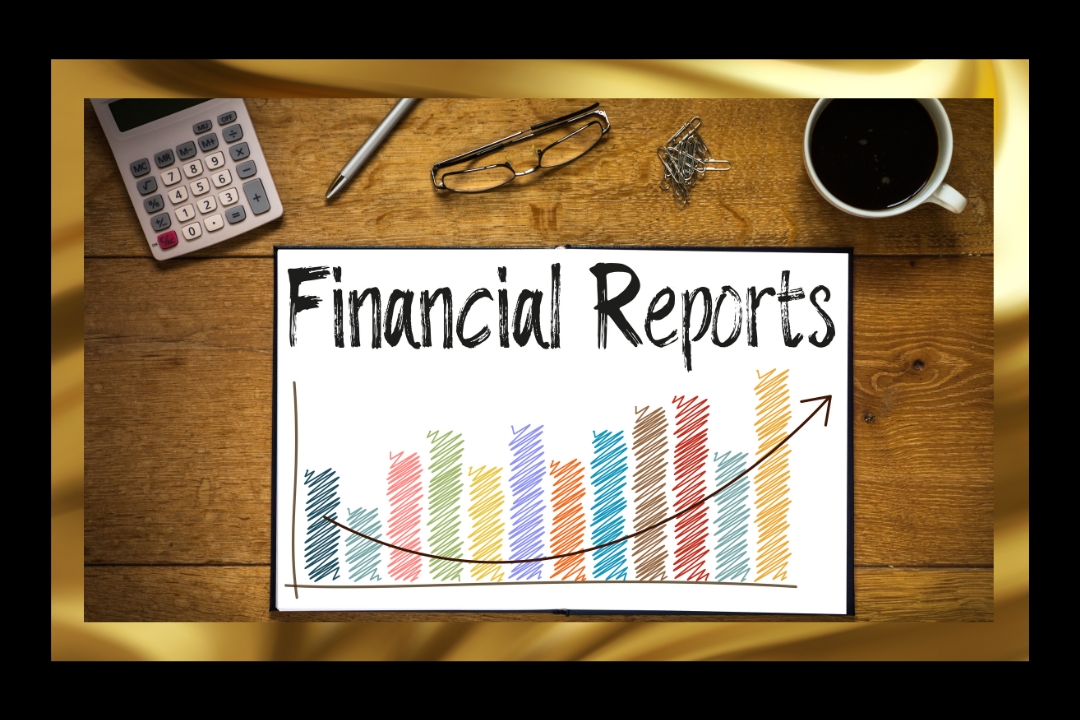
Making time to look over your financial reports each month is an important task for any business owner. If you are not taking the time to do this, here are 6 reasons we recommend that you should start to.
But before we get our 6 reasons, let’s talk very quickly about which financial reports to look at. At a bare minimum, and depending on the complexity of your business, you should be looking at the following:
4 Financial Reports you should be looking at:
The Statement of Financial Performance; also known as the Profit and Loss report (P&L) or the Income Statement. This report tells you how your business is performing over a period of time, such as; by month or financial year. In broad terms, it shows the revenue that your business has generated, less the expenses for that same period. In other words, it shows how profitable your business is.
The Statement of Financial Position; also known as the Balance Sheet, it shows the value of the business’s Assets, Liabilities and Equity.
Assets include things like money in bank accounts, Plant and Equipment, Accounts Receivable balances
Liabilities include things like bank loans and credit cards, Accounts Payable, and Hire Purchase balances
Equity is the difference between your Assets and your Liabilities and includes Retained Earnings and Owner Funds Introduced.
Accounts Receivable Ageing report (Aged Receivables); this shows how much money is still owed to the business as of a certain date in time. It is usually segmented as to how overdue they are. Sometimes by how far past the invoice date they are. Generally, you will have Current, 30, 60 and 90 days columns.
Accounts Payable Ageing Report (Aged Payables); this report shows who the business owes money to as at a certain date in time. It is usually segmented by overdue period.
6 Reasons why it’s important:
Understand your business better; by looking at your Profit and Loss report monthly you will get a good picture of how your business is performing. It can be helpful to compare periods, or to look at a month by month P&L. Then you can clearly see on one page the revenue and expenses month by month. This helps to identify trends in your data and highlight anomalies in coding/categorising.
Accurate information for lending purposes; if you are applying for a loan or an overdraft, the bank or financial institution will look closely at both your Profit and Loss report and the Balance Sheet.
Get paid quicker and reduce bad debts; by looking at your Accounts Receivable Aged Summary each month you can follow up with overdue accounts promptly. This will result in getting paid more quickly and reduce the risk of bad debts.
Better relationships with your suppliers; by entering your supplier bills into your accounting software, your Aged Payables report will alert you to any unpaid or overdue amounts. Supplier relationships are an important aspect of your business and paying on time is crucial to maintaining those relationships.
Better cashflow; get an accurate understanding of how much money the business owes and is owed. This will help with cashflow planning. Additionally, understanding the trends of your business; its profitability drivers, its expenses, etc., can help to plan sales and marketing campaigns so that the revenue keeps coming in.
Better business decision making; the better you understand your financial reports, the stronger position you will be in to make better business decisions. This will positively affect the profitability of your business and its financial viability.
What should you do next?
If you would like to know which reports are relevant to your business, and you want to better understand what’s going on in your business, then get in touch so we can make an appointment time to go through them with you.
Your business success is important to us. Contact us to see how we can help you.
Adapting to Economic Challenges: A Guide for Small Businesses
In light of recent economic developments, we at DJ Grigg Financial want to provide you with the necessary insights and support to navigate these challenging times. Many small businesses are currently facing significant risks due to economic challenges, and it’s crucial to address these issues proactively.
Key Insights on Small Business Collapse Risks
Recent reports from ABC News have highlighted the increasing risk of collapse among small businesses. As your trusted advisors, we recognise the importance of addressing these concerns head-on. Here are some key points to consider:
Struggles Across the Board: While larger enterprises may be weathering the economic storm, many small businesses are struggling to stay afloat. It’s important to assess your current position and experiences.
High-Risk Industries: Industries such as food services (including restaurants, bars, cafes, and pubs), construction, and transport are particularly at risk. If your business falls within these categories, extra vigilance is required.
Increased Risk of Failure: For small businesses with a turnover of up to $10 million, the risk of failure has risen by 20% in the year ending March 31, 2024.
It may be comforting to know that even successful restaurateurs are feeling the pressure, with some deciding to close their doors despite their past successes. This underscores that making an informed decision to close down is not a failure but a strategic move in tough times.
Taking Action: Ways We Can Assist
We are here to support you with actionable steps to safeguard your business:
Business Planning: We can assist with strategic business planning. This involves reviewing your current operations, identifying potential risks, and developing a plan to mitigate these risks.
Pricing Strategies: We can help re-evaluate your pricing strategies to ensure they remain competitive and profitable.
Budgeting: Creating detailed budgets can help you manage your finances more effectively and prepare for potential downturns.
Insolvency and Restructuring Advisors: Bringing in experts can be crucial for early intervention. These advisors can provide a comprehensive overview of available options, whether it involves restructuring or closing the business to prevent further financial losses.
Before the End of Financial Year – Let’s Talk
For those experiencing downturns, an end-of-financial-year review can substitute for a tax planning review. While the process of crunching the numbers remains the same, the focus shifts to reassessing your financial health, setting business and personal goals, identifying areas for improvement, and developing strategies to weather the storm or plan an exit.
Remember, we are here to be your confidant, advisor, and friend during these times. We are committed to guiding and supporting you through these challenges. Please feel free to reach out to us to schedule a consultation.