The Power of Self-Care: Balancing Business and Personal Well-being
In today’s fast-paced and demanding world, finding the balance between running a successful business and taking care of our personal well-being can often feel like an impossible task. With deadlines to meet, meetings to attend, and a never-ending to-do list, it’s easy to neglect our own self-care. However, it’s important to recognise that our personal well-being is the key to maintaining not only our physical and mental health, but also our long-term business success. Taking the time to prioritise self-care can have a profound impact on our productivity, creativity, and overall happiness.
In this article, we will explore the power of self-care and how it can help us find the balance between our professional and personal lives. From setting boundaries and practising mindfulness, to implementing simple daily rituals, we will uncover practical strategies to ensure that we are not only excelling in our business endeavours, but also nurturing our own well-being along the way. So, let’s dive in and discover the transformative power of self-care!
Understanding self-care and its importance
Self-care is a term that has gained significant attention in recent years, but what exactly does it mean? At its core, self-care refers to the intentional actions and practices we engage in to nurture and prioritise our physical, emotional, and mental well-being. It’s about taking the time to recharge, rejuvenate, and refocus on ourselves so that we can show up as our best selves in all aspects of our lives.
The impact of self-care on business success
Contrary to popular belief, self-care is not a luxury, but rather a necessity for achieving long-term business success. When we neglect our personal well-being, we risk burnout, decreased productivity, and ultimately, a decline in the quality of our work. On the other hand, when we prioritise self-care, we allow ourselves to recharge and replenish our energy, which in turn leads to increased focus, creativity, and overall performance.
Signs of burnout and the need for self-care
Burnout is a common consequence of neglecting self-care. It’s important to be aware of the signs and symptoms of burnout so that we can take proactive measures to prevent it. Some common signs of burnout include chronic fatigue, decreased motivation, irritability, and a decline in work performance. If you find yourself experiencing any of these symptoms, it’s a clear indication that self-care needs to become a priority in your life.
Balancing work and personal life through self-care
Finding the balance between work and personal life is a challenge that many business professionals face. However, by incorporating self-care practices into our daily routine, we can create a sense of harmony and reduce the risk of burnout. One effective strategy for achieving this balance is setting boundaries. This might involve designating specific times for work and personal activities, and sticking to those boundaries as much as possible. By doing so, we create dedicated time for self-care, which is essential for our overall well-being.
Tips for incorporating self-care into your daily routine
Incorporating self-care into our daily routine doesn’t have to be complicated or time-consuming. It’s about finding small ways to prioritise our well-being, even amidst the busyness of our lives. One simple yet effective practice is taking regular breaks throughout the day. This could involve stepping away from our workspace, going for a short walk, or engaging in a quick mindfulness exercise. These breaks not only help us recharge and refocus, but they also improve our overall productivity and mental clarity.
Another tip for incorporating self-care into our daily routine is practising gratitude. Taking a few moments each day to reflect on what we are grateful for can have a profound impact on our mindset and overall well-being. Whether it’s writing in a gratitude journal, expressing gratitude to others, or simply pausing to appreciate the present moment, cultivating an attitude of gratitude can shift our perspective and increase our overall happiness.
Self-care practices for business professionals
As business professionals, our lives often revolve around meetings, deadlines, and high-pressure environments. However, it’s important to remember that self-care is not limited to spa days and vacations. Numerous self-care practices can be incorporated into our daily lives, even amid a busy schedule. One such practice is exercise. Engaging in regular physical activity not only improves our physical health, but it also boosts our mood, reduces stress, and increases our overall energy levels.
Another self-care practice for business professionals is prioritising sleep. It’s easy to prioritise work over rest, but getting enough quality sleep is essential for our overall well-being and cognitive function. By setting a consistent sleep schedule, creating a calming bedtime routine, and ensuring a comfortable sleep environment, we can promote healthy sleep habits and wake up feeling refreshed and ready to tackle the day ahead.
Creating a self-care plan for optimal well-being
To truly reap the benefits of self-care, it’s important to have a plan in place. Creating a self-care plan involves identifying the self-care practices that resonate with us personally, and scheduling them into our daily, weekly, and monthly routines. This could include activities such as reading a book, practising meditation, spending time in nature, or engaging in a hobby. By intentionally incorporating these activities into our lives, we ensure that self-care becomes a non-negotiable part of our routine, rather than an afterthought.
The role of mindfulness in self-care
Mindfulness is a powerful tool that can enhance our self-care practices and bring about a greater sense of peace and well-being. Mindfulness involves paying attention to the present moment, with a non-judgmental and accepting attitude. By practising mindfulness, we cultivate a greater sense of self-awareness, reduce stress, and improve our ability to manage challenging situations. Mindfulness can be incorporated into various self-care practices, such as meditation, deep breathing exercises, or simply taking a few moments to fully engage in a task or activity.
Self-care Resources and tools for busy entrepreneurs
In today’s digital age, there are numerous resources and tools available to support our self-care journey. From meditation apps and online courses to self-help books and podcasts, there is no shortage of valuable content to help us prioritise our well-being. Additionally, seeking support from like-minded individuals or joining a community focused on self-care can provide inspiration, accountability, and a sense of connection. The key is to explore different resources and tools, and find the ones that resonate with us personally.
Conclusion: Prioritising self-care for a healthier, more successful life
In conclusion, the power of self-care cannot be underestimated. It is not a selfish act, but rather a necessary investment in our physical, emotional, and mental well-being. By prioritising self-care, we not only enhance our personal lives, but also set ourselves up for long-term business success. From setting boundaries and practicing mindfulness, to incorporating simple daily rituals, there are numerous strategies we can implement to ensure that we are not only excelling in our professional endeavours, but also nurturing our own well-being along the way. So, let’s make self-care a priority and reap the transformative benefits it has to offer.
Now you have the strategies to master self-care, contact us regarding optimising your business success.
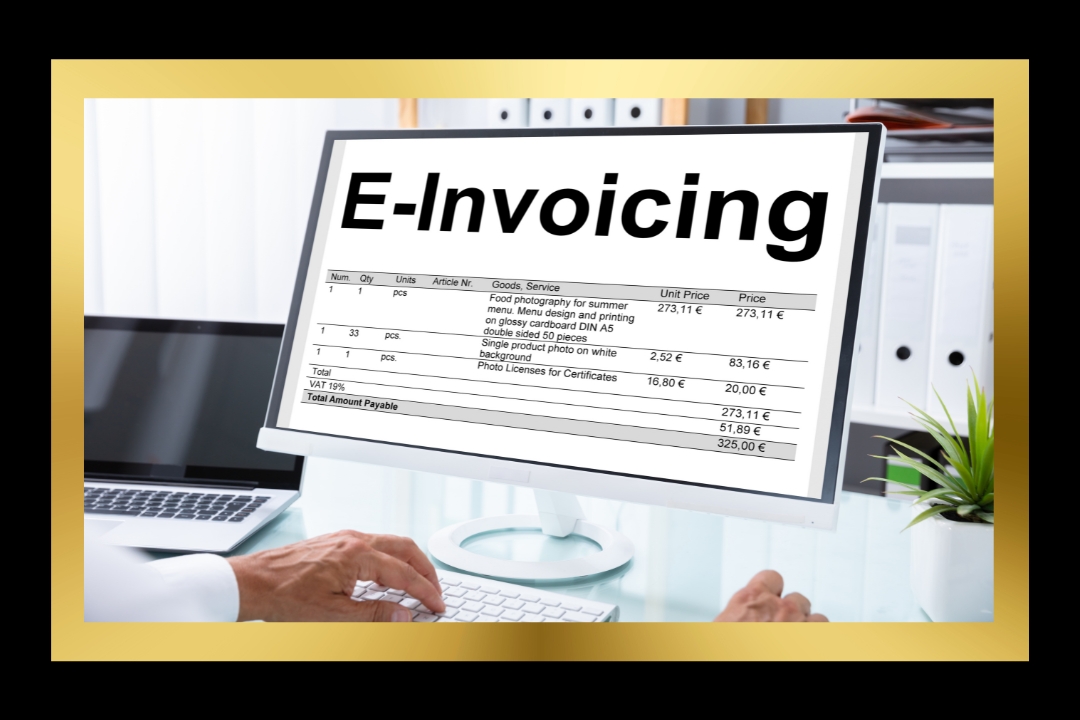
The Benefits of E-Invoicing: Why Make the Transition?
As a small business owner, you may hesitate to embrace digital accounting software like e-invoicing. The idea of new costs, staff training, and potential security risks can be overwhelming. However, your accountant or bookkeeper is uniquely positioned to guide you through this transition, so let us now highlight some benefits of e-Invoicing that will make your life easier.
Faster Payments for Better Cash Flow
Imagine getting paid faster for your products or services. E-invoicing facilitates the secure digital exchange of invoice information through accounting software providers. By eliminating the inefficiencies associated with manual systems such as paper-based or emailed PDF invoices, e-invoicing accelerates invoice processing and approval. With faster payments, you gain greater control over your cash flow and improve your ability to forecast accurately.
E-invoicing also enables you to capitalize on pre-negotiated discount terms on payable invoices. When a paper invoice goes missing, gets disputed, or ends up in the wrong hands, you risk missing out on these discount opportunities. With e-invoicing, such issues are virtually eliminated, ensuring you never leave money on the table.
More Accurate Record-Keeping and Compliance
Another benefit of e-invoicing is that it automatically captures and stores invoice data, making it easier to manage and retrieve records compared to paper invoices. The risk of human error, such as duplicate payments or misfiled invoices, is significantly reduced. Some apps even provide alerts for potential duplicate invoices, minimizing the chance of mistakes.
Automated record-keeping is particularly beneficial when it comes to reporting to the Australian Taxation Office (ATO). With e-invoicing, you maintain an accurate and up-to-date record of supplier costs and GST payments. No more searching for misplaced paper invoices or digging through recycling bins. Tax time becomes a streamlined process, with relevant records readily available for download.
Greater Efficiency and Productivity
A recent survey by MYOB found that adopting e-invoicing can save Australian small and medium businesses up to 10 hours every week. Many businesses currently spend up to 20 hours a month issuing invoices, with some dedicating as much as 20 to 49 hours solely to invoicing.
By embracing e-invoicing, you can reclaim this lost time and redirect it toward higher-value work that generates revenue, strategizing for the future, building relationships, and exploring growth opportunities. With digital accounting software supporting e-invoicing, you experience increased efficiency, avoiding expensive delays caused by misplaced invoices. Additionally, greater visibility into your cash flow enables you to make more informed financial decisions and allocate resources more effectively.
Making the Switch: How Accountants and Bookkeepers Can Help
If you’re resistant to switching from paper-based to electronic invoicing, your accountant or bookkeeper can provide evidence-based reassurances and guidance. Here’s how…
Pointing out the benefits of E-Invoicing: improves cash flow, enhances efficiency, and leads to long-term cost savings. There are plenty of low-cost or even free apps available on the market.
Provide reassurance about security: E-invoicing reduces the potential for payment redirection and false billing scams by utilizing secure exchanges through the Peppol network. Approved access points and the use of the buyer’s and supplier’s ABNs ensure secure transactions.
Offer guidance on the transition: Your accountant or bookkeeper can advise you on the best e-invoicing solution that suits your needs and budget. They can also help you avoid common pitfalls during the implementation process.
Provide hands-on training: Expect a learning curve during the transition. Your accountant or bookkeeper can play a crucial role in answering questions and addressing any frustrations. Digital accounting software doesn’t replace their expertise; instead, it allows them to contribute more value to your business by eliminating the need for manual data entry.
While moving from paper-based to electronic invoicing may present initial challenges, both you and your business will reap the benefits of e-invoicing in the long run. By embracing e-invoicing, you streamline your accounting processes, gain control over your cash flow, and unlock opportunities for growth and success.
We would be pleased to be your trusted ally in this journey toward digital solutions that empower your business. Contact us.
The Actual Cost Method is one of the two methods available to taxpayers to claim their work from home expenses. According to the ATO, under this method, you can claim the actual expenses you incurred for items like phone, internet, and electricity while working from home. You must keep records to show you incur expenses as a result of working from home. The type of records you need to keep will depend on the method you choose to calculate your expenses.
To use the actual cost method to claim actual expenses, you must incur additional running expenses as a result of working from home and keep records or other written evidence, which shows the amount: you spend on expenses, you spend on depreciating assets you buy and use while working from home, and of work-related use for your expenses and depreciating assets.
You don’t incur additional running expenses if other members of your household (who are not working from home) are in the same room as you while you are working from home.
The ATO provides a list of expenses that can be claimed under this method. These include:
Electricity and gas for heating, cooling and lighting
Cleaning costs for your work area
Phone and internet costs
Computer consumables such as printer ink and stationery
Depreciation of home office equipment such as computers, phones and furniture
To claim your work-from-home expenses using actual costs, you must keep either a record showing:
the number of actual hours you work from home during the entire income year – for example, a timesheet or spreadsheet; or
a continuous 4-week period that represents your usual pattern of working at home – for example, a diary.
You must also keep records that show:
the additional running expenses you incurred while working from home, such as receipts, bills and other documents; and
how you worked out the amount of your deduction.
Occupancy Expenses
You may be able to claim a portion of your occupancy expenses, which includes:
Mortgage interest
Rent
Council & water rates
House insurance premiums
Occupancy expenses can generally be apportioned on a floor area basis. You must also apportion your expenses on a time basis if you only use that area of your home for work purposes for part of the year.
You must keep records for all your occupancy expenses, including:
bank statements for your mortgage interest
rental receipts
quarterly invoices for your water and council rates
invoices or receipts for your house insurance
land tax assessment notices and evidence of payment
a floor plan of your home with the floor area used when working from home clearly marked
records of time spent using the area for a purpose other than working from home
records showing how you apportioned your occupancy expenses.
Please note: claiming occupancy expenses may affect the tax-free status of your home if you sell your home in the future.
Turn Bricks into Bullion: Smart Tax Tips for Property Investors
Property investment can build long-term wealth. But without the right tax strategy, you may lose valuable returns.
The Australian Taxation Office (ATO) closely monitors rental property claims. Errors are common, and audits are increasing due to data matching technology.
Smart investors treat tax planning as part of their investment strategy. Here’s how to protect your portfolio and maximise legitimate deductions.
Key Takeaways
Declare all rental-related income, not just weekly rent.
Understand the difference between repairs and capital works.
Apportion loan interest if any portion is used privately.
Only claim expenses when the property is rented or genuinely available for rent.
Be aware of limits on second-hand depreciating assets.
Keep detailed records for at least five years.
Plan early to manage capital gains tax and cash flow.
Why Accuracy Matters More Than Ever
ATO Taxation Statistics show that a significant number of Australians report rental property income each year. At the same time, the ATO consistently identifies rental property errors in tax returns.
The ATO states it uses sophisticated data matching programs that draw information from:
Banks
Rental bond authorities
State land registries
Insurance providers
Property management platforms
This means undeclared income and incorrect claims are easier to detect than ever.
A strong compliance approach protects your wealth and reduces audit risk.
Tip 1: Declare All Rental Income
Rental income includes more than weekly rent.
You must declare:
Rent received, including advance payments
Bond money retained for unpaid rent or damage
Insurance payouts for damage or lost rent
Letting or booking fees
Tenant reimbursements
Government rebates linked to the property
If rent is paid to an agent, it is generally declared in the year the tenant pays the agent. It does not wait until the funds reach your bank account.
Keep separate records for each property. Clear documentation makes tax time smoother and safer.
Tip 2: Claim the Right Deductions — Not the Wrong Ones
Tax deductions improve cash flow. But incorrect claims are one of the most common triggers for ATO review.
Expenses Often Claimed in the Same Year
You may be able to claim:
Advertising for tenants
Agent fees
Body corporate fees
Council rates
Water charges
Land tax
Insurance
Cleaning and gardening
Pest control
Repairs and maintenance
Interest on investment loans
These must relate directly to earning rental income.
Tip 3: Repairs vs Capital Works: A Critical Distinction
This is where many investors unintentionally over-claim.
Repairs fix damage or wear and tear. These are generally deductible in the year incurred.
Capital works improve the property’s structure or value. These are claimed over time.
For example:
Fixing a leaking tap is a repair.
Replacing an entire kitchen is likely capital works.
Capital works deductions are generally claimed at 2.5% per year over 40 years. In some circumstances, a 4% rate over 25 years may apply.
Claiming improvements as immediate repairs can attract ATO attention.
Think of repairs as polishing gold. Improvements are forging new gold bars, claimed gradually.
Tip 4: Interest Deductions Must Be Apportioned
Loan interest is often your largest deduction. But it must be calculated carefully.
If part of your loan is used privately, you must apportion the interest.
For example:
If you redraw funds for a personal expense, that portion becomes private.
Interest on that amount is not deductible.
This rule continues for the life of the loan. Refinancing does not remove the need to apportion.
Claiming 100% interest when private use exists is a common mistake.
Tip 5: The Property Must Be Genuinely Available for Rent
You can only claim deductions when the property is rented or genuinely available for rent.
A property may not be considered genuinely available if:
It is advertised in limited ways
It is listed at well above market rent
You impose unreasonable tenant conditions
You repeatedly refuse suitable tenants
Holiday homes and mixed-use properties require careful apportionment. Private use periods reduce deductible expenses.
If a property is mainly held for personal use, deductions may be denied.
Tip 6: Depreciation: Watch the Second-Hand Asset Rules
Depreciation can be valuable, but strict rules apply.
In most cases, residential property investors cannot claim depreciation on second-hand depreciating assets. This applies unless specific exceptions are met.
However, capital works deductions may still apply to structural elements.
This rule catches many investors off guard. A depreciation schedule prepared by a qualified professional can provide clarity.
Tip 7: Not All Costs Are Immediately Deductible
Some expenses must be claimed over time, including:
Borrowing expenses
Capital works
Structural improvements
Certain initial repairs
Stamp duty and loan repayments are not deductible. Only the interest component is deductible.
Each scenario affects cash flow and future planning.
A strategic approach transforms property from a simple asset into a refined wealth engine.
Avoiding Common ATO Triggers
The most common errors include:
Over-claiming repairs
Incorrect interest claims
Claiming deductions during private use
Failing to declare all income
Poor record keeping
Think of your tax return as a gold assay test. If it does not withstand scrutiny, value can quickly erode.
Accuracy is your strongest safeguard.
Ready to Turn Property into Solid Gold?
Tax for property investors is complex. The ATO’s data-driven compliance approach makes getting it right essential.
We help property investors:
Maximise legitimate deductions
Structure loans correctly
Plan for capital gains tax
Avoid costly compliance mistakes
Build sustainable, long-term wealth
If you want clarity and confidence with your investment property tax strategy, we would love to help. Contact us today and let’s turn your property portfolio into solid gold.
The ATO has announced the commencement of a data-matching program for property investors. This is in order to acquire residential investment property loan data from authorised financial institutions.
Sample audits conducted under the ATO random enquiry program, indicated a net tax gap of $9 billion for the 2019–20 income year. This was attributable to incorrect reporting of rental property income and expenses.
A significant driver of the gap was incorrect apportioning of loan interest costs. This happened where the loan was refinanced or redrawn for private purposes.
Data matching and tax compliance
The ATO will use the data to ascertain information about rental property loans, such as; repayments, interest charges, and borrowing expenses. This information will be used to identify, assess and treat several tax compliance matters, including:
Lodgment – confirming that taxpayers with rental properties are lodging tax returns and the relevant rental property schedule on or before the relevant due date;
Income tax – confirming taxpayers with a rental property are correctly reporting interest on the loan and borrowing expense deductions in their rental property schedules and associated income tax return labels;
Capital gains tax (CGT) – confirming the calculation of cost base elements used to determine the net capital gain or loss on a rental property used to generate income.
After a return is lodged, the ATO will use the data collected to identify relevant cases for action. This includes compliance activities and education strategies.
If a discrepancy is identified, taxpayers will be contacted by phone, letter, or email. Taxpayers will then have 28 days to respond before the ATO takes any action in relation to the discrepancy.
Other matters
ATO’s residential investment property loan data matching program will run from 2021–22 to the 2025–26 income years.
The data collected by the ATO will be made available to tax professionals through pre-filling reports in Online services. This is available to agents and practitioner lodgment service (PLS) through standard business reporting (SBR) enabled software.
Individual self-preparers may also access the data collected by the ATO through myTax. Specifically, the rental property schedule interest on loans or borrowing expense labels and rental income tax return labels.
Should you have any queries in relation to this program and its operation, please feel free to contact our office.