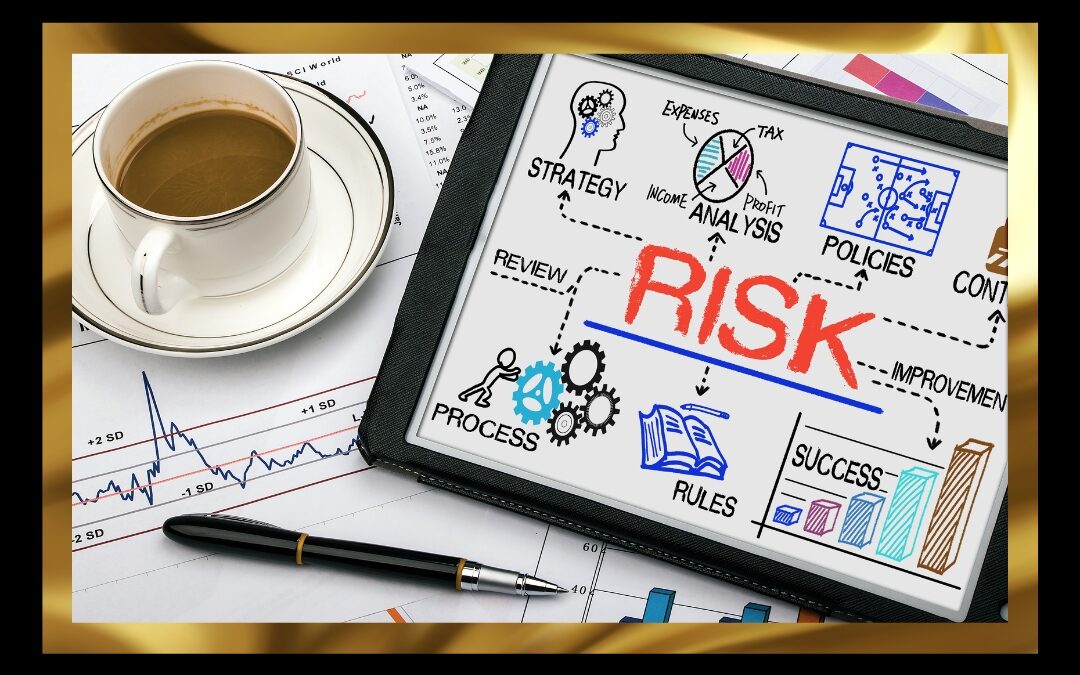
These risks can result in penalties and reputational damage.
7. Privacy and Cyber Risk: The Overlooked Threat
As your business grows, so does your data.
Customer information, employee records, and systems all carry risk.
Business.gov.au highlights cyber security as a key business risk area.
Do Privacy Laws Apply to You?
Many small businesses are exempt from the Privacy Act if turnover is under $3 million.
However, some are still covered, and growing businesses often cross the threshold.
Simple Cyber and Privacy Controls
Secure systems and backups
Staff training on cyber risks
Data access controls
Incident response planning
Data is like stored gold. Without security, it can be stolen.
8. Preventing Disasters Before They Start
Most business problems are preventable.
They usually come from small gaps that go unchecked.
Common Preventable Risks
Weak contracts
Supplier dependence
Unprotected IP
Outdated insurance
Poor internal systems
Compliance gaps
The cost of fixing problems is always higher than preventing them.
Building a Risk-Aware Growth Mindset
Risk management is not about slowing growth.
It is about enabling it.
When your foundations are strong, you can scale with confidence.
Ask Yourself
Are my contracts clear and fair?
Could a supplier failure stop my business?
Is my IP protected?
Does my insurance reflect current risks?
Are my systems supporting good decisions?
Am I meeting employment and privacy obligations?
If any answer is uncertain, there is an opportunity to strengthen your business.
Bringing It All Together
This article is part of our Business Success Series: From Groundwork to Gold1. In Mini-Series 3: Build to Scale – Growth Without Chaos, the focus is simple:
Build engines, not pressure.
Growth should not feel chaotic.
It should feel controlled, strategic, and sustainable.
By strengthening your legal and risk foundations, you protect what you are building.
Risk management is one of those engines.
It works quietly in the background, protecting your progress.
Ready to Grow without the Risk
If your business is growing, now is the time to review your risk and legal foundations.
Do not wait for a problem to force action.
At DJ Grigg Financial, we help business owners build structured, resilient businesses that scale without chaos.
Get in touch today to review your systems, risks, and financial foundations.
Business Success Series: From Groundwork to Gold Mini-Series 3: Build to Scale – Growth Without Chaos↩︎
Funding Growth the Smart Way: Finance Readiness and Options
Article #14 FOCUS:
Building a business that lenders will back with confidence
Many business owners experience the same frustration.
You apply for funding. You provide documents. Then comes a delay or a “no.” It can feel confusing and overwhelming.
But in most cases, lenders are not rejecting you personally. They are assessing whether they have enough confidence in your ability to repay the loan and manage risk.
According to Moneysmart, loan applications are commonly declined due to concerns about repayment ability, existing debt, or incomplete information.
In gold mining terms, lenders are not funding a site without proven samples.
Your role is to show the gold is there—and that you can extract it safely.
Key Takeaways
Strong finance readiness improves your chances of loan approval.
Lenders assess cash flow, income, debt and overall risk—not just profit.
Forecasting helps demonstrate repayment ability and future stability.
Understanding funding options gives you flexibility and negotiating power.
A complete finance-ready pack can speed up approvals and reduce stress.
Finance readiness means your business is prepared to apply for funding with clarity and confidence.
It goes beyond having financial statements.
It means being able to clearly explain:
How your business generates income
What your current financial position looks like
How the funds will be used
How the loan will be repaid
Business.gov.au recommends that before applying for finance, businesses should understand their income, expenses, debts and cash flow, and prepare key documents such as a business plan and financial records.
Finance readiness turns your application from a guess into a structured case.
What Lenders Actually Look For
Lenders do not rely on a single number.
They assess your overall financial position and risk profile.
1. Cash Flow and Repayment Capacity
Lenders place strong emphasis on whether your business generates enough cash to meet repayments.
Cash flow forecasting is also encouraged by business.gov.au to help predict shortages and plan ahead.
2. Income, Expenses and Profitability
Your revenue, margins and cost structure all contribute to the overall picture.
No single metric tells the full story.
3. Existing Debt Levels
Higher debt levels can increase perceived risk and affect borrowing capacity.
4. Financial Records and Compliance
Accurate and up-to-date records improve credibility.
The ATO highlights the importance of keeping complete and accurate records for business decision-making and obligations.
5. Business Plan and Clarity of Purpose
A clear explanation of how funds will be used strengthens your application.
Prepared businesses tend to move through the process more efficiently.
Why Forecasting Is Essential (Not Optional)
If your financial statements explain the past, your forecast explains the future.
And lenders are funding the future.
A strong forecast shows:
Expected revenue and expenses
Timing of cash inflows and outflows
Ability to service debt
Impact of growth plans
Business.gov.au highlights that cash flow forecasting helps businesses predict future cash shortages and plan accordingly.
Without a forecast, your application lacks direction.
With one, it becomes a plan.
Think of it as drilling test holes before committing to a full mining operation.
Types of Funding Options Available
There is no single “right” funding solution.
Choosing the right option depends on your goals, timing and financial position.
Some of the most common options include:
1. Traditional Bank Loans
Suitable for established businesses with strong financial records.
Typically offer lower interest rates but stricter criteria.
2. Business Lines of Credit
Provide flexible access to funds for managing working capital.
3. Equipment Finance
Used to fund vehicles or machinery, often secured against the asset.
4. Invoice Finance
Unlocks cash tied up in unpaid invoices.
5. Alternative Lenders
Offer faster approvals and flexible criteria, often at higher cost.
6. Equity Investment
Involves raising capital in exchange for ownership.
Business.gov.au outlines both debt and equity finance as key funding pathways, along with other options such as leasing, trade credit, grants and crowdfunding.
Understanding your options gives you control.
It allows you to choose funding that supports growth, not pressure.
Understanding Loan Terms and Conditions
Every funding agreement includes terms you must follow.
These may relate to reporting, financial performance, or how funds are used.
Before accepting funding, it is critical to review the loan contract carefully.
ASIC advises small businesses to understand loan and credit contract terms and ensure they are fair and appropriate.
Taking time to understand your obligations upfront can prevent costly surprises later.
Building a Finance-Ready Pack
This is where many applications succeed or fail.
A well-prepared finance pack builds trust and reduces delays.
Your Finance Pack Should Include:
1. Financial Statements Profit and loss, balance sheet and cash flow reports.
2. Up-to-Date Management Reports Recent performance data helps lenders assess current position.
3. Cash Flow Forecast At least 12 months, showing repayment capacity.
4. Business Plan or Growth Strategy Clear explanation of how funds will be used.
5. Tax and Compliance Records (where relevant) Evidence of up-to-date lodgements can strengthen credibility.
6. Debt Summary Overview of existing loans and obligations.
7. Asset and Liability Overview Including any available security.
Preparing these documents aligns with business.gov.au guidance on having paperwork ready before applying.
A complete pack shows you are organised, informed and ready.
Why Banks Say No (And How to Improve Your Position)
Loan rejections are often linked to a few common issues:
Weak or inconsistent cash flow
High existing debt
Incomplete or unclear documentation
Limited evidence of repayment capacity
Moneysmart confirms that concerns about repayment ability, income and existing commitments are common reasons for rejection.
The good news is that many of these areas can improve over time.
Stronger records, better forecasting and clearer planning can significantly strengthen future applications.
The Bigger Picture: Why Finance Readiness Matters
Access to finance remains a challenge for many Australian small businesses.
The Reserve Bank of Australia notes that small businesses can face difficulties accessing finance, which can limit growth and investment.
At the same time, small businesses make up over 97% of all businesses in Australia.
This makes finance readiness a critical capability.
It is not just about getting approved.
It is about building a business that is structured for sustainable growth.
Final Thoughts: From Uncertainty to Confidence
This article forms part of our Business Success Series: From Groundwork to Gold1. Specifically, it sits within: Mini-Series 3: Build to Scale – Growth Without Chaos
The theme is simple: Build engines, not pressure.
Funding should support growth. It should not create stress or instability.
When your finances are clear and your systems are strong, funding becomes fuel—not friction.
A declined loan does not define your business. It highlights areas that need clarity, structure or improvement.
With the right preparation, you can move from:
Confusion to confidence
Delay to readiness
Rejection to opportunity
In gold mining terms, success does not come from digging randomly.
It comes from planning, testing and executing with precision.
Ready to Strengthen Your Funding Position?
If funding feels overwhelming, you are not alone.
But you do not have to navigate it alone.
At DJ Grigg Financial, we help business owners:
Prepare finance-ready packs
Build clear, practical cash flow forecasts
Understand funding options
Position themselves for stronger loan outcomes
Let’s turn your next funding application into a confident yes.
Contact us today to start building your finance-ready foundation.
Business Success Series: From Groundwork to Gold Mini-Series 3: Build to Scale – Growth Without Chaos↩︎
Capacity Planning and Delivery Economics: Turn Busy Work into Profitable Gold
Article #13 FOCUS:
Extracting more value from the work you already do
Many business owners reach a frustrating point.
The calendar is full. The team is working hard. Yet profit feels underwhelming.
If that sounds familiar, you are not alone.
The issue is rarely demand. It is usually how work is planned, delivered, and converted into cash.
This is where capacity planning and delivery economics come into play.
It is not about pushing harder. It is about extracting more value from the work you already do.
Key Takeaways
Being busy does not guarantee profit—capacity must be planned and measured.
Workforce planning ensures you have the right people and time to meet demand.
Strong invoicing and WIP management improve cash flow and reduce financial pressure.
Efficient systems reduce rework, delays, and reliance on key individuals.
Margin per employee is a key indicator of sustainable growth.
Small improvements across utilisation, pricing, and efficiency can significantly lift profitability.
The Real Problem: Busy but Not in Control
Being busy can feel like success.
But without structure, it often hides deeper issues:
Jobs taking longer than expected
Staff stretched across too many tasks
Work started but not finished
Delays in invoicing and payment
This creates pressure without progress.
As management thinker Peter Drucker famously said: “There is nothing so useless as doing efficiently that which should not be done at all.”
Without clear capacity planning, businesses become reactive. And reactive businesses struggle to scale.
What Capacity Planning Really Means
Capacity planning is simple in concept.
It answers one question:
Do you have the time, people, and systems to deliver work profitably?
According to business.gov.au, workforce planning helps businesses ensure they have “the right people, with the right skills, at the right time.”
It also involves understanding how much work your team can realistically handle.
Think of your business like a gold mine.
If you overload the equipment, it breaks. If you underuse it, you waste opportunity.
The goal is steady, controlled extraction.
Utilisation: Measure What Actually Generates Revenue
One of the most practical ways to assess capacity is to track how your team spends their time.
Specifically, how much time is spent on revenue-generating work.
While there are no universal benchmarks from Australian regulators, most service businesses benefit from regularly reviewing:
Billable vs non-billable time
Time lost to admin or rework
Delays caused by poor coordination
The key is not to chase arbitrary targets.
It is to understand your own baseline and improve it over time.
Staff Scheduling: From Chaos to Flow
Scheduling is often treated as admin.
In reality, it is a core driver of profitability.
Poor scheduling leads to:
Idle gaps between jobs
Overtime costs
Missed deadlines
Staff fatigue
Safe Work Australia highlights that fatigue reduces performance and creates safety risks.
Better scheduling creates flow.
What Good Scheduling Looks Like
Work is allocated based on skill level
Jobs are sequenced logically
Downtime is minimised
Buffers exist for unexpected delays
This reduces stress and improves output without increasing workload.
WIP Management: Turn Work into Cash Faster
Work-in-progress (WIP) is work you have started but not yet invoiced.
Too much WIP creates hidden risk:
Cash flow delays
Reduced visibility
Increased chance of missed billing
Business.gov.au emphasises that strong invoicing practices support cash flow and financial control.
Practical Improvements
Review WIP regularly
Set clear completion timelines
Invoice promptly at milestones
Avoid starting new work before finishing current jobs
Where appropriate, milestone billing can support cash flow.
The ATO explains how progressive invoicing works for GST purposes, including issuing invoices for stages of work.
A healthy business keeps work moving—and cash flowing.
Service Efficiency: Build Systems, Not Pressure
Many businesses rely on key people to carry the load.
This creates risk and limits growth.
Efficiency comes from systems.
Signs You Need Better Systems
Work is inconsistent
Errors and rework are common
Senior staff are constantly pulled into basic tasks
Processes vary depending on who is doing the work
Improving efficiency means:
Documenting repeatable processes
Using checklists
Automating routine tasks
Standardising service delivery
Research from McKinsey highlights that improving operational processes is critical to lifting productivity in service businesses.
This is not about working harder. It is about removing friction.
Margin Per Employee: A Smarter Way to Measure Growth
Revenue alone does not tell the full story.
A more useful metric is margin per employee.
It shows how effectively your team converts work into profit.
Why It Matters
It highlights inefficiencies
It reveals pricing gaps
It shows whether growth is sustainable
Two businesses can earn the same revenue.
The one with fewer resources doing the work is usually more efficient.
How to Improve It
Improve pricing where appropriate
Reduce inefficiencies
Focus on higher-value work
Strengthen systems and processes
This metric brings clarity to decision-making.
The Power of Small Improvements
You do not need massive change to see results.
Small improvements across key areas can compound:
Better scheduling reduces downtime
Faster invoicing improves cash flow
Stronger systems reduce rework
Together, these improvements can significantly increase profitability.
And importantly, they do so without increasing pressure on your team.
From Overwhelmed to In Control
If your business feels stretched, it is usually not a demand issue.
It is a capacity issue.
Start with these steps:
Review how your team spends time
Assess whether workload matches capacity
Tighten invoicing and WIP processes
Standardise key workflows
Monitor profitability per team member
Each step reduces chaos and increases control.
A Better Way to Scale
Scaling is not about doing more work.
It is about delivering work better.
The strongest businesses:
Plan capacity carefully
Monitor performance consistently
Use systems to maintain quality
They do not rely on pressure to grow. They build engines.
Final Thoughts: Stop Letting Profit Slip Through the Cracks
This article is part of our Business Success Series: From Groundwork to Gold1. Within Mini-Series 3: Build to Scale – Growth Without Chaos, the focus is clear:
Build engines, not pressure.
At this stage, your focus shifts from survival to structure. Capacity planning and delivery economics are what make growth sustainable. They turn effort into efficiency—and activity into profit.
If your business is busy but not delivering the results you expect, something is misaligned.
The opportunity is already there.
It is in your existing workload.
With the right systems and planning, you can:
Improve profitability without hiring
Reduce stress across your team
Create a smoother, more predictable operation
That is how you turn busy work into real gold.
Ready to Strengthen Your Capacity and Profit?
At DJ Grigg Financial, we help trades and service businesses take control of their numbers and operations.
We work with you to:
Improve efficiency and utilisation
Strengthen cash flow and margins
Build systems that support scalable growth
If you are ready to move from overwhelmed to in control, let’s talk.
Contact us today and start building a business that scales without chaos.
Business Success Series: From Groundwork to Gold Mini-Series 3: Build to Scale – Growth Without Chaos↩︎
Child Support and Taxes: Essential Guidelines Every Australian Parent Should Know
Are you an Australian parent dealing with child support payments? If so, understanding the impact child support has on your taxes is essential. In this article, we will guide you through the important guidelines every Australian parent should know.
Child support payments can have significant financial implications, both for the payee and the recipient. It is crucial to understand the tax obligations associated with child support. We’ll cover all the essential information you need to know.
Key Takeaways
Is child support taxable in Australia? Generally, no. Most child support payments received are not taxable income and do not need to be declared as income in your tax return.
Is child support tax deductible for the paying parent? No. Child support payments are not tax deductible, but the paying parent may still need to report child support paid in the income-test section of their tax return.
Can child support affect Family Tax Benefit? Yes. Child support can affect Family Tax Benefit Part A through Services Australia’s Maintenance Income Test.
Can child care costs be claimed as a tax deduction? Generally, no. The ATO says child care, before-school care and after-school care are private expenses and are not deductible.
Why child support and tax rules matter
For separated parents, child support can feel like one more financial detail in an already emotional and complicated season. But getting the tax treatment right is important. Misunderstanding the rules can lead to incorrect tax returns, unexpected Family Tax Benefit adjustments, or child support debts.
The scale of the issue is significant. The Australian Institute of Family Studies reported that Australia’s Child Support Program covered 636,930 active cases and 976,690 children in 2024, although both figures had declined from 2015 levels. That is still close to one million children whose family finances may be affected by child support assessments, care arrangements and income reporting.
Is child support taxable income in Australia?
In most cases, child support received is not taxable income.
The ATO states that you generally do not pay tax on “most child support and spouse maintenance payments.”
This means that if you receive regular child support payments from the other parent, you usually do not include those payments as assessable income in your tax return.
Expert quote
“You don’t pay tax on: most child support and spouse maintenance payments.” Source: Australian Taxation Office
Think of it like finding a gold nugget that belongs in a separate pouch. It may be valuable to your household budget, but it generally does not go into the same tax bucket as wages, business income or investment income.
Is child support tax deductible for the paying parent?
No. Child support paid is not tax deductible.
Services Australia says child support paid is not deductible for tax purposes. However, a paying parent may report the amount of child support paid in their tax return because it can be relevant for income-test purposes.
The ATO also explains that child support paid is entered at IT7 – Child support you paid in the income-test section of the individual tax return. This amount is used for income-test calculations and is deducted from the other components that make up adjusted taxable income.
Expert quote
“Child support you pay is not deductible for tax purposes.” Source: Services Australia
The golden distinction is this: not deductible does not always mean irrelevant. Child support paid may not reduce your taxable income, but it can still matter for adjusted taxable income and some government benefit calculations.
Do you need to report child support to the ATO?
The answer depends on whether you are paying or receiving child support.
If you receive child support, you generally do not declare it as taxable income.
If you pay child support, you may need to include the amount paid in the income-test section of your tax return. This is not a tax deduction. It is used to help determine adjusted taxable income for some offsets, benefits and obligations.
Child support is not based on a simple “one parent pays, one parent receives” rule. Services Australia uses a legislated formula that considers each parent’s income, the costs of children, the number and ages of the children, and each parent’s percentage of care.
Services Australia uses adjusted taxable income for child support purposes. This can include more than wages alone, so parents with business income, investment losses, reportable fringe benefits or reportable super contributions should take extra care.
In gold-mining terms, Services Australia is not just weighing one visible nugget. It is assessing the whole pan: income, care, child costs and family circumstances.
Does child support affect Family Tax Benefit?
Yes. This is one of the most important points for receiving parents.
Child support may be tax-free, but it can still affect Family Tax Benefit Part A. Services Australia says the more child support you receive, or are entitled to receive, the less Family Tax Benefit Part A you may get under the Maintenance Income Test.
Services Australia also says FTB Part A may be reduced by 50 cents for every dollar of child support you are entitled to receive over the Maintenance Income Free Area threshold.
Expert quote
“The more child support you receive or are entitled to, the less FTB you may get.” Source: Services Australia
This is where many families are caught out. The issue is not whether child support is taxable. The issue is whether it affects your family assistance.
Private Collect vs Child Support Collect: why it matters
How you collect child support can affect how Family Tax Benefit Part A is balanced.
If you collect child support privately, Services Australia may balance your FTB Part A using the amount you were supposed to receive, not necessarily the amount actually paid. If you collect through Child Support, Services Australia balances FTB Part A based on the child support actually received during the financial year.
This can make a major difference for families where payments are irregular or unpaid. Before choosing a collection method, it is worth getting advice so you do not mistake fool’s gold for the real thing.
Are child care costs tax deductible?
Generally, no.
The ATO says you cannot claim a deduction for child care, before-school care or after-school care because these are private expenses.
Expert quote
“You can’t claim a deduction for the cost of child care, or before or after school care.” Source: Australian Taxation Office
Families may instead be eligible for Child Care Subsidy, which helps with the cost of approved child care. The Department of Education says the amount of Child Care Subsidy depends on a family’s circumstances.
From 5 January 2026, eligible families can receive at least 72 hours of subsidised child care per fortnight, also described as three days per week, under the 3 Day Guarantee.
Does child support affect the Medicare levy?
Paying child support does not automatically create a Medicare levy exemption.
The Medicare levy is generally based on taxable income, although reductions and exemptions can apply in specific circumstances. The ATO says Australian residents are generally subject to a Medicare levy of 2% of taxable income unless they qualify for a reduction or exemption.
A person’s child support arrangements may be relevant to some adjusted taxable income and dependant calculations, but child support itself is not a shortcut to a Medicare levy exemption. This is an area where a little professional guidance can prevent a costly misstep.
What about lump-sum child support or property transfers?
Lump-sum child support arrangements can be more complex than regular payments.
Services Australia says a binding child support agreement can include a lump-sum payment, and in some cases a lump sum may be credited against future child support.
However, property transfers can have capital gains tax consequences. The ATO explains that where assets are transferred because of a marriage or relationship breakdown, CGT rollover may apply if the transfer occurs under a qualifying court order or formal agreement. This generally defers CGT rather than making it disappear altogether.
If a lump sum or property transfer is on the table, treat it like a large gold bar: valuable, but too heavy to move without checking the legal and tax weight first.
What happens if child support is unpaid?
Unpaid child support can become a serious financial issue.
Services Australia can recover overdue child support and may take action such as intercepting tax refunds, arranging employer deductions, making deductions from bank accounts, or applying late payment penalties.
Late lodgment of tax returns can also create problems because Services Australia may use updated ATO income information to reassess child support. A delayed tax return does not make child support obligations vanish. It can simply delay the calculation and turn a manageable stream into a heavy debt.
Common child support and tax mistakes to avoid
1. Treating child support received as taxable income
Child support received is generally not assessable income. Including it incorrectly may distort your tax return.
2. Claiming child support paid as a deduction
Child support paid is not tax deductible. It may be reported for income-test purposes, but that is different from claiming a deduction.
3. Assuming child support does not affect Centrelink or family assistance
Child support can affect Family Tax Benefit Part A through the Maintenance Income Test.
4. Confusing Child Care Subsidy with tax deductions
Child care costs are generally not deductible. Child Care Subsidy is a separate family assistance payment.
5. Not updating income, care or family circumstances
Changes to income or care arrangements can affect child support and Family Tax Benefit. Keeping records and updating Services Australia can help avoid overpayments, debts or incorrect assessments.
6. Entering a lump-sum or property agreement without advice
Lump sums, private agreements and property transfers can have child support, family law and tax consequences. Independent legal and tax advice is strongly recommended.
Record-keeping checklist for separated parents
Keep a clear paper trail, including:
child support assessments
private child support agreements
binding or limited child support agreements
court orders
bank statements showing payments made or received
receipts for non-cash payments, such as school fees or medical expenses
correspondence from Services Australia
records of care arrangements
tax return records and income estimates
Good records are like gold dust: individually small, but powerful when collected, organised and ready when needed.
Final golden rules
Child support in Australia is usually simple at the headline level:
Child support received is generally not taxable and support paid is not tax deductible.
But the fine print matters. Child support can affect adjusted taxable income, Family Tax Benefit Part A, income estimates, payment balancing, debt recovery, private agreements and lump-sum arrangements.
The safest approach is to separate the tax question from the family-assistance question. Something can be tax-free and still financially important elsewhere.
Need help with child support and tax planning?
At DJ Grigg Financial, we help individuals, families and business owners understand the tax and cash-flow impact of major life changes. If child support, separation, Family Tax Benefit, business income or tax lodgment issues are affecting your financial position, professional advice can help you avoid costly surprises.
Contact us today to get clear, practical guidance and turn uncertainty into a golden plan for the future.
Note: The information provided in this article is for general guidance purposes only and should not be considered as legal or financial advice. It is advisable to consult with a qualified professional for personalised advice regarding child support and tax matters.
Strike Gold Twice: Strengthening Retention and Recurring Revenue
Article #12 FOCUS:
Strengthen retention and build recurring revenue
Winning a new customer feels like striking gold. But too many businesses stop digging after the first find.
The real value sits deeper. It comes from repeat business, long-term relationships, and predictable revenue.
If you are working hard to win customers but not maximising their value, you are leaving gold in the ground.
This article will show you how to strengthen retention and build recurring revenue. Not through pressure, but through systems that scale.
Key Takeaways
Retaining customers is often more cost-effective than constantly acquiring new ones.
Recurring revenue improves cash flow and business stability.
Strong customer experience systems drive repeat business and referrals.
Small improvements in retention can significantly impact profitability.
Measuring retention and customer value helps guide smarter business decisions.
Why Retention Deserves Your Attention
Many businesses focus heavily on attracting new customers. Marketing campaigns, promotions, and advertising take centre stage.
But reliable research shows a consistent pattern.
Winning new customers is typically more expensive than keeping existing ones, although the exact cost varies by industry.
Long-standing research also suggests that even small improvements in retention can have a meaningful impact on profit.
While these figures vary, the direction is clear. Retention is one of the most powerful drivers of sustainable growth.
Australian government guidance reinforces this.
Businesses that actively manage customer relationships, communicate effectively, and monitor service performance are more likely to retain customers and build loyalty.
Retention is not just a marketing tactic. It is a core business system.
It helps you plan ahead, manage obligations, and invest with confidence.
The ATO highlights that managing cash flow is critical for meeting expenses, planning growth, and avoiding financial stress.
Recurring or repeat revenue streams can support this by creating more predictable income.
Examples include:
Subscription services
Membership programs
Service retainers
Maintenance agreements
Replenishment products
Not every business needs a subscription model. But most can introduce elements that encourage repeat transactions.
The goal is simple. Turn one-off wins into ongoing value.
Step 1: Understand the Customer Journey
You cannot improve retention without visibility.
Every customer moves through a journey:
Awareness
Purchase
Experience
Repeat
Referral
Many businesses focus only on the first two.
That is where the opportunity is lost.
Mapping the full journey helps you identify gaps.
Ask:
What happens after the first sale?
Do we follow up consistently?
Are we making it easy to return?
Understanding the journey is the first step to improving it.
Step 2: Build a Consistent Customer Experience
Customers stay when they trust the experience.
Consistency is what builds that trust.
Business.gov.au encourages businesses to communicate clearly, respond promptly, and deliver reliable service at every interaction.
Strong customer experience systems include:
Clear onboarding processes
Regular follow-ups
Fast response times
Personalised communication
These do not need to be complex.
Simple, repeatable systems often have the biggest impact.
Step 3: Use Feedback to Strengthen Retention
Feedback is one of the most underused tools in business.
It tells you what is working and what needs improvement.
Business.gov.au recommends collecting customer feedback, reviews, and complaints to improve service quality and customer satisfaction.
Businesses that respond to feedback effectively are more likely to retain customers.
Ask for feedback regularly. Act on it quickly. Let customers know they have been heard.
This builds trust and loyalty.
Step 4: Create Reasons for Customers to Return
Customers do not always come back on their own.
You need to give them a reason.
This could include:
Ongoing service offerings
Product bundles
Loyalty programs
Exclusive offers
After-sales service and ongoing engagement help build repeat business and referrals. Think beyond the first transaction.
Ask: “What does this customer need next?”
Then design your offering around that need.
Step 5: Introduce Recurring or Repeat Revenue Streams
Recurring revenue does not need to be complicated.
Start with what you already offer.
Consider:
Bundling services into monthly packages
Offering maintenance or support plans
Automating repeat purchases
The goal is to create consistency for both you and your customer.
It improves planning, reduces uncertainty, and strengthens relationships.
Step 6: Monitor Retention and Customer Value
Retention is measurable.
Tracking the right data helps you make better decisions.
Key metrics include:
Customer retention rate
Churn rate
Customer lifetime value
Purchase frequency
Business.gov.au encourages businesses to use customer data, CRM systems, and performance benchmarks to improve decision-making.
If you are not measuring retention, you are guessing.
Step 7: Strengthen Relationships Through Communication
Strong relationships drive repeat business.
Communication plays a central role.
Regular updates, check-ins, and helpful information keep your business top of mind.
Customers are more likely to return when they feel valued and informed.
Consistent communication also reduces misunderstandings and improves satisfaction.
Common Mistakes That Reduce Retention
Many businesses lose customers without realising why.
Common issues include:
Poor follow-up after the sale
Inconsistent service delivery
Lack of communication
Ignoring feedback
Competing only on price
These issues create churn.
And churn reduces profitability.
Fixing them often requires small, consistent improvements.
From Constant Hustle to Reliable Growth
Relying only on new customers creates pressure.
You are always searching for the next sale.
Retention and recurring revenue shift the focus.
They create a system that generates value over time.
Instead of constantly chasing new ground, you build a mine that produces consistently.
A Practical Example
Consider a business that sells a one-off service for $500.
If the customer buys once, the value ends there.
But with a structured approach:
The customer returns regularly
They engage with additional services
They refer others
Now that single customer delivers far more value.
That is the power of retention.
Final Thoughts: Build Engines, Not Pressure
This article is part of our Business Success Series: From Groundwork to Gold1. Within Mini-Series 3: Build to Scale – Growth Without Chaos, the focus is clear:
Build engines, not pressure.
Retention and recurring revenue are not quick fixes.
They require structure, consistency, and intention.
But the payoff is significant.
You move from chasing revenue to building it.
Ready to improve customer retention?
If you are working hard to win customers but not seeing long-term value, it is time to change the approach.
We help business owners build structured, scalable systems that improve retention and increase recurring revenue.
Let’s uncover the gold already sitting in your business.
Customer Acquisition System: How to Build One That Converts
Article #11 FOCUS:
Turning unpredictable growth into a reliable gold vein
Many business owners feel like growth comes in waves. One month is strong. The next is quiet.
That is rarely random. It is usually a missing system.
Without structure, marketing becomes reactive. Leads come in inconsistently. Conversion varies. Decisions are based on guesswork.
The Australian Government encourages businesses to build structured marketing approaches, including defining target markets and using data to guide decisions.
When you rely on chance, growth feels uncertain. When you build a system, growth becomes measurable.
Key Takeaways
A customer acquisition system creates predictable, repeatable growth.
Track leads, conversion rates, cost per acquisition, and ROI for better decisions.
Separate acquisition from retention to avoid misleading data.
Responding quickly to leads significantly improves qualification rates.
Focus on customer lifetime value, not just the first sale.
What Is a Customer Acquisition System?
A customer acquisition system is a repeatable process for attracting leads, tracking enquiries, converting prospects, and measuring return on marketing spend.
It includes:
Where leads come from
How they are tracked
How they are converted
How performance is measured
Think of it as your mining operation. Not a lucky strike, but a structured process that consistently extracts value.
Acquisition vs Retention: Know the Difference
Customer acquisition focuses on winning new clients.
Customer retention focuses on keeping and growing existing ones.
Mixing the two leads to poor decisions.
For example:
Marketing spend should be measured against new customers only.
Repeat revenue belongs in retention reporting.
Clear separation gives you clean data and better strategy.
Step 1: Build a Lead Tracking System
You cannot improve what you do not track.
Every enquiry should be recorded.
Track:
Lead source (Google, referral, social media)
Date received
Outcome (won or lost)
Value of the job
Salesforce highlights that many leads fail to convert due to poor tracking and follow-up processes, with research from MarketingSherpa showing 79% of leads never convert into sales without proper nurturing.
Tracking ensures no opportunity is lost. It gives you visibility over what is working.
Step 2: Understand Your Conversion Rates
Your conversion rate shows how effectively you turn leads into customers.
Conversion Rate = Customers ÷ Leads × 100
For example:
50 leads
10 customers
Conversion rate = 20%
This number is powerful.
Improving your conversion rate increases revenue without increasing lead volume.
It is like extracting more gold from the same ground.
Step 3: Measure Cost Per Acquisition (CPA)
Cost per acquisition tells you how much it costs to win a new customer.
Cost Per Acquisition = Marketing Spend ÷ New Customers
For example:
$5,000 spent
25 customers
CPA = $200
Tracking CPA helps you decide where to invest.
Salesforce explains CPA as a key metric for evaluating marketing effectiveness and optimising spend.
Without CPA, marketing becomes a gamble.
Step 4: Calculate Customer Lifetime Value (CLV)
Customer lifetime value shows the long-term value of a client.
CLV = Average Revenue × Purchase Frequency × Customer Lifespan
For example:
$1,000 per job
2 jobs per year
3-year relationship
CLV = $6,000
HubSpot explains that CLV helps businesses understand how much revenue a customer generates over time.
This shifts your thinking.
You stop focusing on one-off sales and start valuing long-term relationships.
Step 5: Build a Simple Conversion Process
Leads do not convert by accident.
They need a clear path.
Your process should include:
Fast response to enquiries
Clear communication of value
Structured proposals
Consistent follow-up
Research highlighted by Harvard Business Review found that businesses responding within one hour are nearly seven times more likely to qualify a lead.
Speed creates advantage.
It is like securing a gold claim before someone else steps in.
Step 6: Track Marketing ROI
Marketing should deliver measurable returns.
Marketing ROI = (Revenue – Marketing Cost) ÷ Marketing Cost
If you spend $10,000 and generate $50,000:
ROI = 4:1
Tracking ROI shows which channels are worth investing in.
It also aligns with ATO record-keeping requirements. Businesses must keep accurate records of income, expenses, and calculations used in decision-making.
Good data supports both compliance and growth decisions.
Step 7: Focus on the Right Channels
Not all marketing channels deliver equal results.
Common channels include:
Google search
Social media
Referrals
Email marketing
Your tracking system will reveal which channels bring high-quality leads.
The goal is not more leads. It is better leads.
Quality beats quantity every time.
Step 8: Create Consistency, Not Campaign Spikes
Many businesses rely on short bursts of marketing activity.
A campaign runs. Leads spike. Then activity drops.
This creates unstable growth.
A system focuses on consistency instead:
Ongoing marketing activity
Regular tracking
Continuous improvement
This is how you build a reliable growth engine.
Common Mistakes to Avoid
Even strong businesses fall into these traps:
Not tracking leads properly Leads slip through the cracks.
Chasing every new marketing trend Focus beats distraction.
Ignoring conversion rates More leads will not fix a weak process.
Undervaluing lifetime value Short-term thinking limits long-term growth.
Mixing acquisition and retention data This leads to poor decisions.
Avoid these mistakes and your system becomes stronger.
Bringing It All Together
A strong customer acquisition system gives you:
Predictable lead flow
Clear conversion data
Measurable ROI
Scalable growth
You move from reacting to leading.
From guessing to knowing.
From pressure to process.
Where This Fits in Your Growth Journey
This article is part of our Business Success Series: From Groundwork to Gold1. This third of four stages focuses on the “Build to Scale” stage of the Business Success Series.
The theme is simple: Build engines, not pressure.
A customer acquisition system is your first engine. It creates stability before you scale.
If growth feels unpredictable, the solution is not more effort.
It is better structure.
When you track leads, measure conversions, and understand ROI, your business changes.
You stop chasing results. You start creating them.
Ready to Build Your Growth Engine?
If your lead flow feels inconsistent, now is the time to act.
We help business owners build practical, measurable systems that turn enquiries into revenue.
No guesswork. Just clarity, structure, and confidence.
Contact DJ Grigg Financial today and start building a customer acquisition system that converts.
Business Success Series: From Groundwork to Gold Mini-Series 3: Build to Scale – Growth Without Chaos↩︎