
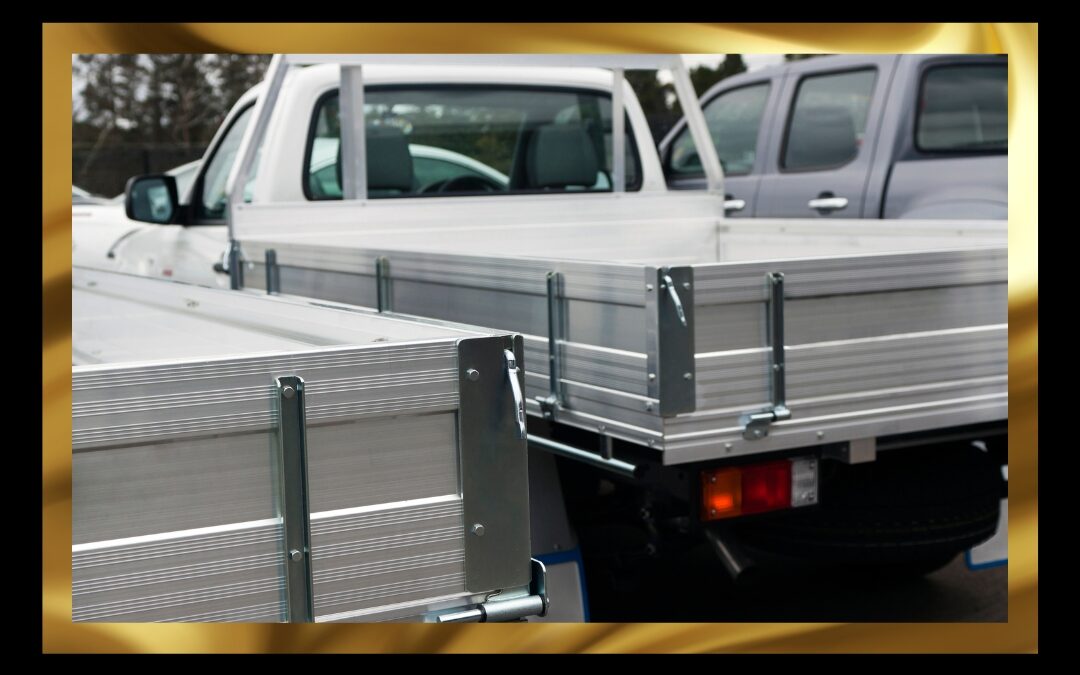
Work Utes & FBT Explained: Discover the Golden Rules for Compliance
For many Australian business owners, a work ute feels like a practical and tax-friendly choice. But if you think a dual cab ute is automatically exempt from fringe benefits tax (FBT), you may be digging in the wrong spot. The ATO has made it clear: eligibility for FBT exemption depends on strict conditions, not vehicle type alone.
Before you strike gold—or end up with an unexpected tax bill—here’s what you need to know.
Key Takeaways
- Dual cab utes are not automatically exempt from FBT.
- Two conditions must be met: the ute must be an eligible vehicle, and private use must be limited.
- “Limited private use” means minor, infrequent and irregular personal trips.
- Regular school runs, weekend trips or using the ute as a family vehicle trigger FBT.
- Good record-keeping is essential to prove compliance.
Why Work Utes Attract ATO Attention
The ATO has highlighted that incorrectly treating dual cab utes as exempt from FBT is a common business mistake. Many owners assume the commercial appearance of a ute places it outside FBT, but the law focuses on design and use, not branding.
The ATO recently reiterated the widespread myth about automatic FBT exemption and emphasised that personal use remains the deciding factor. Businesses relying on misinformation risk penalties, amended assessments, and costly backdated FBT.
When a Ute Qualifies as an “Eligible Vehicle”
To be exempt from FBT under the work-related vehicle rules, a ute must first meet the ATO definition of an eligible vehicle.
A vehicle is eligible when it is designed to carry:
- A load of one tonne or more, or
- More than eight passengers, or
- A load under one tonne but not mainly designed to carry passengers.
Many dual cab utes meet this threshold, but being an eligible vehicle does not guarantee exemption. This is only the first step in the test.
Limited Private Use
Even if your ute qualifies as an eligible vehicle, it will only be exempt from FBT if private use is strictly limited.
The ATO defines acceptable private use as:
- Minor
- Infrequent
- Irregular
Some examples that typically pass muster:
- Driving between home and work
- Incidental travel during work duties
- Occasional personal tasks, like taking rubbish to the tip
- Helping a friend move house once in a while
Examples that do not qualify:
- Using the ute as the family’s everyday car
- Regular school or daycare drop-offs
- Frequent weekend trips or shopping
- Personal use that clearly exceeds the minor and infrequent threshold
If private use extends beyond these limits, the vehicle is no longer exempt, and FBT will apply.
When FBT Applies: What You Must Do
Once your employees use the ute beyond limited private use, the vehicle becomes subject to FBT. At that point, you must:
- Calculate the taxable value of the benefit
- Determine your FBT liability
- Lodge an FBT return
- Report relevant fringe benefits on the employee’s income statement
The method for calculating taxable value depends on how the vehicle is classified:
If the ute is treated as a car for FBT purposes:
Use either:
- Statutory formula method, or
- Operating cost method
If the ute is classified as a non-car commercial vehicle:
Use either:
- Operating cost method, or
- Cents-per-kilometre method
Using the correct method is essential to staying compliant and avoiding overpayment or underpayment.
Record-Keeping: Your Best Gold-Proofing Strategy
The ATO does not require a formal logbook for exempt work vehicles—but you must be able to show that private use remains minor, infrequent and irregular.
Good practices include:
- Regular odometer readings
- Short notes documenting any personal trips
- Employee declarations confirming limited private use
- Comparisons of expected home–work travel to actual distance travelled
Solid records are like well-kept gold ingots—they protect you when the ATO comes checking.
Mining Value, Not Risk: Why This Matters to Your Business
Correctly applying the FBT rules ensures:
- Avoidance of unexpected tax bills
- Stronger compliance and audit readiness
- Accurate payroll and reporting
- Better financial planning and budgeting
- Peace of mind when supplying vehicles to your team
Treat FBT on work utes like panning for gold—the best results come from understanding the rules and paying attention to detail.
Need Help Managing FBT on Your Work Utes?
The rules can be complex, and every business is different. If you want to protect your hard-earned gold and stay compliant with ATO expectations, we’re here to help.
Contact DJ Grigg Financial today for expert, practical guidance on FBT and work vehicle use.