‘P’ is for Purpose not Profit: Understanding Your Business’s Purpose
When you start a business, it’s crucial to know why it exists. It’s not just about making profit; it’s about why your customers need you – your purpose. You should be able to sum up your business’s purpose in a short, powerful sentence that explains why you’re here for your customers. Think of big companies like Tesla, Netflix, or Zoom for example;
Tesla: To accelerate the world’s transition to sustainable energy. Netflix: To entertain the world. Zoom: To make video communications frictionless and secure.
They all have a clear reason for existing, beyond just making profits. And this idea isn’t just for big companies; it’s important for small businesses too.
Why Purpose Matters More Than Just Making Money
Having a clear purpose helps you connect with your customers on a deeper level and builds loyalty. Sure, making money is important, but focusing only on profits might make you forget what your customers really need. Studies have shown that businesses with a strong sense of purpose often do better financially in the long run.
How Purpose Affects Your Business Day-to-Day
Your business’s purpose isn’t just a fancy statement – it affects everything you do. It boosts team morale and makes your customers feel valued. When your team knows why they’re doing what they’re doing, they work better together and make your customers happier. Plus, when your customers see that you’re genuinely trying to help them, they’ll keep coming back for more.
Making Money While Staying True to Your Purpose
Believe it or not, focusing on your purpose instead of profit can actually help you make more money. When you genuinely care about your customers and their needs, they’ll trust you more and tell others about your business. And when new customers look into your business, they’ll see that you’re more than just another company – you’re someone who cares about making a difference.
Finding Your Business’s Why
So, what’s your business’s purpose? If you’re not sure, don’t worry – we’re here to help. Click here to get in touch with us, and we’ll work together to figure out why your business matters. Remember, it’s not just about what you do; it’s about why you do it – and that’s what will make your business truly special.
“People don’t buy what you do, they buy why you do it.” – Simon Sinek
Cryptocurrency has become increasingly popular in recent years, with more and more people investing in digital assets like Bitcoin and Ethereum. However, with this rise in popularity comes the sometimes confusing world of cryptocurrency taxation. In Australia, the taxation of cryptocurrencies is a complex issue that many individuals and businesses struggle to navigate.
In this article, we will unravel Australia’s tax laws surrounding cryptocurrency. We’ll also provide clarity and guidance on what individuals and businesses need to know.
Understanding Australia’s tax laws on cryptocurrency
Australia’s tax laws regarding cryptocurrencies can be challenging to understand. It’s crucial to have a clear understanding of your tax obligations when dealing with digital assets. The Australian Taxation Office (ATO) treats cryptocurrencies as property. That means they are subject to capital gains tax (CGT) when disposed of. This includes selling, trading, or exchanging cryptocurrencies for goods and services.
One of the first steps in understanding cryptocurrency taxation in Australia is determining whether your cryptocurrency activities are considered personal or business-related. If you are solely investing in cryptocurrencies for personal reasons, such as buying and holding them as a long-term investment, you will generally be subject to CGT when you dispose of them. However, if you are actively trading cryptocurrencies or running a business that involves cryptocurrency transactions, different tax rules may apply.
It’s important to keep detailed records of all your cryptocurrency transactions, including the date of acquisition, the purchase price in Australian dollars, the value at the time of the transaction, and any associated costs such as transaction fees. These records will be crucial when it comes time to calculate your capital gains or losses and report them to the ATO.
Capital gains tax and cryptocurrency
Capital gains tax (CGT) is a significant consideration when it comes to cryptocurrency taxation in Australia. CGT is the tax you pay on any capital gains you make from the disposal of an asset, such as cryptocurrencies. The ATO considers cryptocurrencies as property, which means they are subject to CGT when disposed of.
When calculating your capital gains or losses, you need to determine the cost base of your cryptocurrencies. The cost base includes the amount you paid for the cryptocurrencies, including any associated costs such as transaction fees. When you dispose of your cryptocurrencies, you subtract the cost base from the sale proceeds to determine your capital gains or losses.
If you make a capital gain from your cryptocurrency transactions, it will be added to your assessable income for the year. The amount of tax you pay on your capital gains will depend on your marginal tax rate. If you make a capital loss, you can use it to offset any capital gains you have made or carry it forward to offset future capital gains.
It’s important to keep detailed records of all your cryptocurrency transactions, including the date of acquisition, the purchase price in Australian dollars, the value at the time of the transaction, and any associated costs. These records will be crucial when it comes time to calculate your capital gains or losses and report them to the ATO.
Reporting cryptocurrency transactions
Reporting your cryptocurrency transactions accurately is essential to ensure compliance with Australia’s tax laws. When it comes time to lodge your tax return, you will need to report any capital gains or losses you have made from the disposal of your cryptocurrencies.
The ATO provides guidelines on how to report cryptocurrency transactions on your tax return. You will need to include the details of each disposal, including the date of the transaction, the proceeds, and the cost base. This information can be included in the capital gains section of your tax return or through the use of the ATO’s Capital Gains Tax Schedule.
It’s crucial to ensure the accuracy of your reported capital gains or losses, as any errors or omissions can result in penalties or audits from the ATO. If you’re unsure about how to report your cryptocurrency transactions correctly, it’s recommended to seek professional advice from a qualified tax accountant or tax agent.
Cryptocurrency mining and tax implications
Cryptocurrency mining is the process of validating and recording transactions on a blockchain network. In Australia, if you are engaged in cryptocurrency mining activities, you may have tax obligations to consider. The ATO treats cryptocurrency mining as a business activity, which means you will need to report any income you earn from mining on your tax return.
When it comes to reporting cryptocurrency mining income, you will need to include the value of the cryptocurrency you receive as income. This value should be based on the fair market value of the cryptocurrency at the time you receive it. If you mine cryptocurrencies as part of a mining pool, you will need to report your share of the income from the pool.
Alongside reporting your mining income, you may also be eligible to claim deductions for any expenses incurred in the mining process. These expenses can include the cost of electricity, mining hardware, and any maintenance or repairs. It’s important to keep detailed records of all your mining activities and associated expenses to ensure accurate reporting and to support your deductions.
Tax deductions for cryptocurrency businesses
If you run a business that involves cryptocurrency transactions, there may be additional tax deductions available to you. Just like any other business, you can claim deductions for expenses incurred in running your cryptocurrency business, such as advertising, office expenses, and professional fees.
When it comes to cryptocurrency-specific deductions, you may be able to claim deductions for expenses related to the acquisition and disposal of cryptocurrencies. These expenses can include transaction fees, brokerage fees, and exchange fees. It’s important to keep detailed records of all your cryptocurrency-related expenses to ensure accurate reporting and to support your deductions.
It’s worth noting that claiming deductions for cryptocurrency-related expenses can be complex, and it’s recommended to seek professional advice from a qualified tax accountant or tax agent who specialises in cryptocurrency taxation.
Common mistakes to avoid in cryptocurrency tax reporting
Navigating cryptocurrency taxation in Australia can be challenging, and there are several common mistakes that individuals and businesses should avoid when reporting their cryptocurrency transactions.
One common mistake is failing to keep accurate records of all cryptocurrency transactions. Detailed records are essential to accurately calculate your capital gains or losses and report them to the ATO. Without proper records, you may not be able to substantiate your claims or deductions, which could lead to penalties or audits.
Another mistake is failing to report all cryptocurrency transactions to the ATO. It’s crucial to report all disposals of cryptocurrencies, whether they are sold, traded, or exchanged for goods and services. Failing to report these transactions can result in penalties or audits from the ATO.
Finally, failing to seek professional advice when unsure about cryptocurrency taxation can also lead to mistakes. The tax laws surrounding cryptocurrencies are complex and can be challenging to understand. Seeking professional advice from a qualified tax accountant or tax agent who specialises in cryptocurrency taxation can help ensure compliance with the law and avoid any potential penalties or audits.
Seeking professional advice for cryptocurrency taxation
Given the complexities of cryptocurrency taxation in Australia, seeking professional advice is highly recommended. A qualified tax accountant or tax agent who specialises in cryptocurrency taxation can provide guidance and ensure that you meet your tax obligations while maximising any available deductions.
When choosing a tax professional, it’s important to select someone with experience and knowledge in cryptocurrency taxation. They should be familiar with the ATO’s guidelines and be able to provide accurate advice tailored to your specific cryptocurrency activities.
Get in touch. We can explain the ATO’s rules and regulations for your investments and provide guidance for your situation.
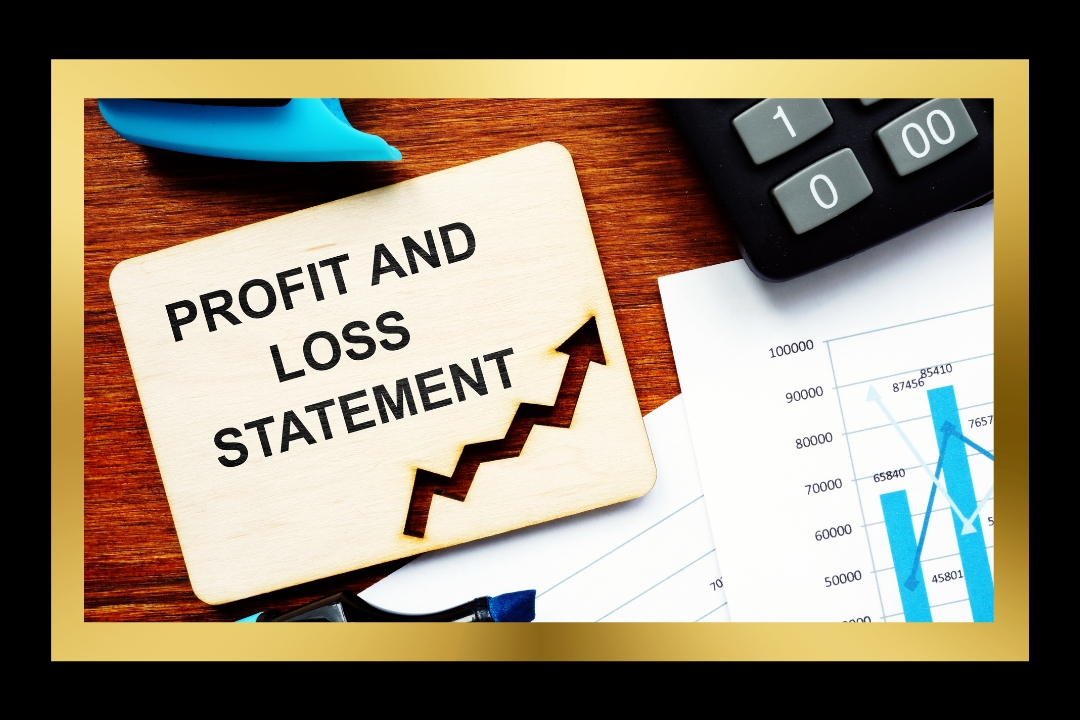
Accounting Basics: Decoding your Profit & Loss Statement
Are you struggling to understand your Profit & Loss statement in Australia? Look no further! In this ultimate guide, we will decode your P&L statement and provide you with everything you need to know.
From explaining the purpose of a P&L statement to breaking down each component and its significance, we’ll equip you with the knowledge necessary to analyse your financial performance effectively.
Understanding the components of a Profit & Loss Statement
The Profit & Loss statement, also known as the income statement, is a financial statement that summarises the revenues, costs, and expenses incurred during a specific period. It provides a snapshot of a company’s financial performance, showing whether it has made a profit or a loss.
To understand your Profit & Loss statement, you need to be familiar with its components. The main sections of a P&L statement include revenue, expenses, gross profit, net profit, and other key metrics.
Revenue: Revenue refers to the total amount of money generated from the sale of goods or services. It is the top line of the P&L statement and represents the income earned by the business.
Expenses: Expenses are the costs incurred to operate the business. They can include salaries, rent, utilities, marketing expenses, and more. Expenses are deducted from revenue to calculate the net profit.
Gross Profit: Gross profit is the difference between revenue and the cost of goods sold (COGS). It represents the profit made from selling goods or services before deducting operating expenses.
Net Profit: Net profit is the final figure on the P&L statement and represents the profit or loss made by the business after deducting all expenses, including operating expenses, taxes, and interest.
Key financial terms used in Profit & Loss Statements
Decoding your Profit & Loss statement requires understanding key financial terms used in the statement. Here are some important terms you’ll often come across:
Operating Expenses: Operating expenses are the costs incurred in the day-to-day operations of the business. They include expenses such as salaries, rent, utilities, marketing expenses, and more. Managing and controlling operating expenses is crucial for maintaining a healthy financial position.
Cost of Goods Sold (COGS): COGS represents the direct costs associated with producing or delivering the goods or services sold by the business. It includes the cost of raw materials, direct labor, and manufacturing overheads. Calculating COGS accurately is essential for determining the gross profit margin.
Gross Profit Margin: The gross profit margin is a percentage that indicates the profitability of a company’s core operations. It is calculated by dividing the gross profit by revenue and multiplying by 100. A higher gross profit margin indicates better efficiency in generating profit from sales.
Net Profit Margin: The net profit margin is a percentage that measures a company’s profitability after all expenses, including taxes and interest, have been deducted. It is calculated by dividing net profit by revenue and multiplying by 100. A higher net profit margin signifies better overall financial performance.
How to interpret revenue and sales figures
Revenue and sales figures are key indicators of a business’s financial performance. Understanding how to interpret these figures can help you assess your business’s growth and make informed decisions.
When analysing revenue and sales figures on your Profit & Loss statement, consider the following:
Revenue Trends: Look for trends in revenue growth over time. Are your sales increasing, decreasing, or remaining stable? Identifying revenue trends can help you understand the market demand for your products or services.
Seasonal Variations: Some businesses experience seasonal fluctuations in revenue. For example, retail businesses may have higher sales during the holiday season. Understanding these variations can help you plan for peak and slow periods.
Product/Service Mix: Analyse the contribution of different products or services to your overall revenue. Identify which offerings are the most profitable and focus on maximising their sales.
Pricing Strategy: Assess whether your pricing strategy is effective. Are you pricing your products or services competitively? Consider conducting market research and competitor analysis to ensure your pricing is aligned with the market.
Analysing operating expenses and cost of goods sold
Operating expenses and cost of goods sold are critical components of a Profit & Loss statement. Analysing these figures can help you identify areas where you can reduce costs and improve profitability.
When analysing operating expenses and COGS, consider the following:
Cost Control: Review each operating expense category and identify opportunities for cost savings. Are there any non-essential expenses that can be eliminated or reduced? Negotiate better terms with suppliers and explore ways to increase operational efficiency.
Benchmarking: Compare your operating expenses and COGS to industry standards and similar businesses. This can help you identify areas where you may be overspending and implement cost-saving measures.
Investment in Growth: Consider whether the current level of operating expenses and COGS aligns with your business goals. Sometimes, investing in marketing or research and development can lead to long-term growth and higher profitability.
Understanding gross profit and gross profit margin
Gross profit and gross profit margin are key indicators of a company’s ability to generate profit from its core operations. Understanding these metrics can help you assess the efficiency of your business’s revenue generation.
When interpreting gross profit and gross profit margin, consider the following:
Industry Comparison: Compare your gross profit and gross profit margin to industry benchmarks. This can help you gauge how well your business is performing relative to competitors.
Product/Service Analysis: Analyse the gross profit and margin for each product or service you offer. This can help you identify which offerings are the most profitable and guide your pricing and marketing strategies.
Cost Reduction: Look for opportunities to reduce the cost of goods sold. Negotiate better prices with suppliers, explore alternative sourcing options, or streamline your production processes to improve gross profit margin.
Examining net profit and net profit margin
Net profit and net profit margin reflect the overall profitability of a business after all expenses have been deducted. Analysing these figures can help you assess the financial health and sustainability of your business.
When examining net profit and net profit margin, consider the following:
Profitability Trends: Look for trends in net profit over time. Are your profits increasing, decreasing, or remaining stable? Identifying profitability trends can help you evaluate the effectiveness of your business strategies.
Cost Optimisation: Review all expenses, including operating expenses and interest payments, to identify areas where costs can be reduced. Implement cost-saving measures to improve net profit margin.
Tax Planning: Understand the impact of taxes on your net profit. Consult with a tax professional to ensure you are maximising deductions and taking advantage of any available tax incentives.
Interpreting other key metrics in a Profit & Loss Statement
In addition to revenue, expenses, gross profit, and net profit, there are other key metrics to consider when interpreting your Profit & Loss statement.
Some of these metrics include:
Earnings Before Interest, Taxes, Depreciation, and Amortisation (EBITDA): EBITDA is a measure of a company’s profitability before accounting for interest, taxes, depreciation, and amortisation. It provides insight into the company’s core operations and is often used to compare profitability across different companies.
Operating Income: Operating income, also known as operating profit, is the profit generated from the core operations of a business. It is calculated by subtracting operating expenses from gross profit.
Interest Expense: Interest expense represents the cost of borrowing money for the business. Analysing interest expense can help you evaluate the impact of debt on your financial performance.
Taxes: Understanding the tax obligations of your business is crucial for accurate financial analysis. Consider consulting with a tax professional to ensure compliance and optimise tax planning.
Common challenges and pitfalls in analysing Profit & Loss Statements
Analysing Profit & Loss statements can be challenging, especially for individuals without a financial background. Here are some common challenges and pitfalls to watch out for:
Misclassification of Expenses: Ensure that expenses are correctly categorised to provide an accurate representation of your business’s financial performance. Incorrectly categorised expenses can distort your analysis and lead to incorrect conclusions.
Inconsistent Reporting: Maintain consistency in reporting to ensure accurate year-to-year comparisons. Changes in accounting methods or reporting standards can make it difficult to track trends and assess performance accurately.
Ignoring Non-Financial Factors: While financial analysis is essential, it’s also crucial to consider non-financial factors that can impact your business’s performance. Factors such as customer satisfaction, market trends, and industry disruptions should be taken into account when making strategic decisions.
Tips for using Profit & Loss Statements to make informed business decisions
Now that you have a better understanding of how to decode your Profit & Loss statement, let’s consider some practical tips for utilising this financial tool to make informed business decisions:
Regular Monitoring: Review your Profit & Loss statement regularly, preferably on a monthly or quarterly basis. This will help you identify trends, spot potential issues, and take corrective action in a timely manner.
Benchmarking: Compare your financial performance to industry benchmarks and similar businesses. This can provide insights into areas where you may be falling behind or excelling.
Budgeting and Forecasting: Use your Profit & Loss statement as a basis for budgeting and forecasting. By analysing historical data, you can make more accurate projections and set realistic goals for your business.
Seek Professional Advice: If you’re unsure about interpreting your Profit & Loss statement or need assistance with financial analysis, consider consulting with a professional accountant or financial advisor. They can provide valuable insights and guidance tailored to your specific business needs.
Decoding your Profit & Loss statement is a crucial step in assessing your business’s financial health and making informed decisions. By understanding the components, key terms, and metrics within a P&L statement, you’ll be equipped with the knowledge necessary to analyse and optimise your business’s financial performance. Start unraveling the mysteries today and take control of your business’s success!
Running a small business can be overwhelming – you wear multiple hats and juggle countless responsibilities. With so much on your plate, keeping your finances in order can easily be pushed aside. This is where a bookkeeper comes in. Hiring a bookkeeper is not just for large corporations; it’s a smart move for small businesses too.
From maintaining accurate financial records to providing valuable insights into your business’s performance, a bookkeeper can play a vital role in your business’s growth and sustainability. First, let’s consider 4 reasons why a bookkeeper could be essential for your small business.
1. Financial organisation and tracking
Managing your small business’s finances can be a daunting task, especially if you’re not familiar with bookkeeping principles and practices. A bookkeeper can help you stay organised and on top of your financial transactions.
Firstly, a bookkeeper can help you maintain accurate and up-to-date financial records. By keeping track of your income and expenses, they ensure that your records are compliant with tax laws and regulations. This can save you from potential headaches during tax season. They can also assist with payroll management, invoicing, and tracking accounts receivable and accounts payable.
Secondly, a bookkeeper can provide you with valuable insights into your business’s performance. By analysing your financial data, they can identify trends, patterns, and areas for improvement. This helps you make informed decisions to drive growth and profitability. A bookkeeper can generate financial reports, such as profit and loss statements and cash flow statements, that give you a clear picture of your business’s financial health. With this information at your fingertips, you can strategise and plan for the future with confidence.
2. Tax compliance and saving money
Tax compliance is a critical aspect of running a small business. Filing taxes can be complex, and the consequences of making mistakes can be costly. A bookkeeper can ensure that your financial records are accurate and complete, making the tax filing process much smoother.
A bookkeeper can help you stay organised throughout the year by categorising your expenses and keeping track of deductible items. They can also provide guidance on tax planning strategies, helping you minimise your tax liability and take advantage of available deductions and credits. By working closely with a bookkeeper, you can have peace of mind knowing that your taxes are being handled correctly, saving you time, money, and potential penalties.
3. Business growth and decision-making
To succeed in today’s competitive business landscape, you need to make data-driven decisions. A bookkeeper can provide you with the financial insights you need to drive growth and profitability.
By regularly reviewing your financial reports, a bookkeeper can help you identify areas of your business that are performing well and areas that need improvement. They can assist in analysing key performance indicators (KPIs) and benchmarking your business against industry standards. Armed with this information, you can make informed decisions to optimise your business operations, streamline processes, and allocate resources effectively.
Moreover, a bookkeeper can help you create budgets and financial forecasts. By setting financial goals and tracking your progress, you can stay on track and make adjustments as needed. This level of financial planning and analysis is crucial for long-term success and sustainability.
4. Time and stress management
As a small business owner, your time is valuable. Spending hours trying to figure out your finances and manage bookkeeping tasks can take away from more important aspects of your business.
By outsourcing your bookkeeping to a professional, you can free up your time to focus on core business activities. A bookkeeper can handle the day-to-day financial tasks, leaving you with more time to grow your business, serve your customers, and pursue new opportunities. Additionally, by relieving the burden of bookkeeping, you can reduce stress and enjoy greater peace of mind knowing that your finances are in capable hands.
DIY Bookkeeping vs. Outsourcing
As a small business owner, you may be tempted to handle bookkeeping tasks yourself to save money. While this may work in the early stages of your business, as your business grows, DIY bookkeeping can become overwhelming and time-consuming.
Outsourcing your bookkeeping can offer several benefits. A professional bookkeeper brings expertise and efficiency to the table, ensuring accuracy and compliance with regulations. By delegating your bookkeeping tasks, you can focus on revenue-generating activities and strategic decision-making. Additionally, outsourcing allows you to tap into a network of professionals who can provide additional services, such as tax planning and financial consulting.
Choosing the right bookkeeper for your small business
When it comes to choosing a bookkeeper for your small business, it’s important to find someone who understands your industry and business needs. Here are a few factors to consider:
Experience and expertise: Look for a bookkeeper with experience working with small businesses in your industry. They should have a solid understanding of the specific challenges and regulations that small businesses face.
Technology proficiency: In today’s digital age, it’s crucial to work with a bookkeeper who is comfortable using bookkeeping software and tools. This ensures efficient and accurate record keeping.
Communication and availability: A bookkeeper should be responsive and accessible. Clear communication is essential for a successful working relationship.
Cost: Consider your budget and find a bookkeeper whose fees align with the value they provide to your business.
Conclusion: Investing in a bookkeeper for long-term success
In conclusion, hiring a bookkeeper is a wise investment for your small business. A bookkeeper can provide financial organisation and tracking, ensure tax compliance, offer valuable insights for business growth and decision-making, and save you time and stress. By choosing the right bookkeeper and utilising bookkeeping software and tools, you can streamline your financial operations and avoid common bookkeeping mistakes. Ultimately, investing in a bookkeeper sets the foundation for long-term success and sustainability for your small business.
So, don’t overlook the importance of a bookkeeper – they can be the key to unlocking your business’s full potential.
Click here for more information about the bookkeeping services we provide.
The Buyer’s Agent: Key to Successful Property Investment
Are you considering property investment in Australia? If so, you’ve likely come across the term ‘buyer’s agent’ in your research. But what exactly does a buyer’s agent do, and how can they help you achieve success in your property investments?
If you’re serious about property investment in Australia, unlocking the power of a buyer’s agent is essential. In this article, we will explore the benefits of working with a buyer’s agent and how they can help you navigate the Australian property market with confidence and success. Read until the end to learn about an exciting new partnership for DJ Grigg Financial.
The role of a buyer’s agent in property investment
The role of a buyer’s agent goes far beyond simply finding properties for their clients. They provide a range of services that are designed to streamline the property investment process and maximise your chances of success.
One of the key roles of a buyer’s agent is conducting thorough due diligence on potential properties. This involves researching the property’s history, analyzing market data, and assessing its potential for growth and rental income. By conducting this research, a buyer’s agent can help you make informed decisions and avoid investing in properties with hidden issues or poor investment potential.
Additionally, a buyer’s agent uses their extensive network to connect you with other professionals in the industry. This can include mortgage brokers, property inspectors, and solicitors who specialise in property transactions. By leveraging their network, a buyer’s agent can ensure that you have access to a team of experts who will support you throughout the investment process.
Benefits of hiring a buyer’s agent
Hiring a buyer’s agent offers a multitude of benefits that can significantly enhance your property investment journey. Firstly, they save you time and effort by handling all the research, property inspections, and negotiations on your behalf. This allows you to focus on other aspects of your life while still benefiting from their expertise.
Secondly, a buyer’s agent has access to properties that may not be publicly listed. They often have connections with real estate agents and developers, giving you exclusive access to off-market opportunities. This can give you a competitive advantage in a competitive property market, increasing your chances of finding the perfect investment property.
Furthermore, a buyer’s agent is skilled in negotiation techniques and can help you secure the best possible deal. They know how to navigate the negotiation process and are not emotionally attached to the property, allowing them to negotiate from a position of strength. This can result in significant savings and better overall terms for your property purchase.
How to find a reputable buyer’s agent
Finding a reputable buyer’s agent is crucial to ensuring a successful property investment experience. Here are some steps to help you find the right buyer’s agent for your needs:
1. Research: Start by researching buyer’s agents in your target area. Look for agents who specialise in the type of property you’re interested in and have a proven track record of success.
2. Check credentials: Ensure that the buyer’s agent is licensed and a member of a reputable industry association. This demonstrates their commitment to professionalism and ethical standards.
3. Read reviews and testimonials: Look for reviews and testimonials from past clients to get an idea of their experience working with the buyer’s agent. This can provide valuable insights into their communication style, responsiveness, and overall satisfaction.
4. Interview potential agents: Schedule interviews or consultations with a shortlist of buyer’s agents. Use this opportunity to ask questions about their experience, approach to property investment, and how they can help you achieve your goals.
5. Request references: Ask for references from past clients and contact them to gain further insights into the buyer’s agent’s performance and results.
Remember, finding the right buyer’s agent is a personal decision, so take the time to find someone who aligns with your goals and values.
Questions to ask when hiring a buyer’s agent
When interviewing potential buyer’s agents, it’s important to ask the right questions to assess their suitability for your needs. Here are some questions to consider:
1. How long have you been working as a buyer’s agent?
2. What is your experience in the local property market?
3. Can you provide references from past clients?
4. How do you charge for your services?
5. What is your approach to property selection and due diligence?
6. How do you handle negotiations on behalf of your clients?
7. How will you keep me informed throughout the property search and purchase process?
These questions will help you gauge the buyer’s agent’s expertise, communication style, and overall suitability for your property investment goals.
Cost of hiring a buyer’s agent vs. potential savings
When considering the cost of hiring a buyer’s agent, it’s important to weigh it against the potential savings and benefits they can provide. While the fees may vary depending on the agent and the specific services required, the potential savings can be substantial.
A buyer’s agent’s negotiating skills can often result in savings of tens of thousands of dollars off the purchase price. Additionally, their expertise in due diligence can help you avoid costly mistakes and invest in properties with strong growth potential. When you factor in the time and effort saved by outsourcing the property search and negotiation process, the value of a buyer’s agent becomes even more apparent.
Ultimately, the cost of hiring a buyer’s agent is an investment in your property portfolio and can contribute to long-term financial success.
Introducing a new Partnership
Introducing our exciting new partnership with One Haven, the renowned Australian investment property specialists. At DJ Grigg Financial, we understand the complexities of the property market, and we’re thrilled to collaborate with One Haven to bring you unparalleled expertise and support.
Whether you’re aiming for capital growth, seeking high yields, or exploring niche opportunities, One Haven’s team is dedicated to guiding you through every step of your investment journey. From strategic planning to navigating market intricacies, contract negotiations, and financial complexities, they’ve got you covered.
One Haven’s seasoned professionals bring a wealth of experience and a proven track record in the property sector. They offer personalised advice tailored to your specific needs, empowering you to build a robust property portfolio and secure your financial future.
One Haven’s shared mission is clear: to help investors like you successfully navigate the Australian property market and achieve your wealth-building goals. Whether it’s investment strategies, development opportunities, or long-term wealth creation, they are there to provide comprehensive guidance and support every step of the way.
The process of working with One Haven
Working with a buyer’s agent typically involves several stages, each designed to ensure a smooth and successful property investment journey. Here is an overview of One Haven’s process:
Getting to know the client phone call – 15 mins; Build rapport with the client, understand their life circumstances.
Information Fact Find – 1 hour; Gather information and deep dive into client goals and objectives.
Education & Strategy Session – 1 hour; Educate the client(s) to ensure they are informed about the journey and process. Present their property growth strategy.
Property Presentation – 1 hour; Present targeted property options and aligned to agreed strategy. EOI signed and proceed to contract.
The One Haven way of doing business has always been a success with clients. You can read reviews from happy clients here.
Conclusion:
We recognise the value of a good buyer’s Agent in saving you thousands of dollars. With One Haven’s expert purchasing tactics and exceptional customer care, they also alleviate the emotional stress often associated with property acquisition.
DJ Grigg Financial and One Haven prioritise long-term relationships built on trust and success. We’re committed to understanding your unique circumstances and delivering tailored solutions that meet your individual needs. Together, we’re dedicated to helping you grow, protect, and pass on your wealth for generations to come.
Contact Hamish McIntosh, One Haven – Head of Property today on 0417 266 365 for an obligation free chat.
The Power of Combining Tax Planning and Financial Planning
Are you looking to maximise your wealth in Australia? If so, then you need to harness the power of combining tax planning and financial planning.
Whether you’re a business owner, an investor, or an individual looking to secure your future, understanding the synergy between tax planning and financial planning is essential. This article explores the key strategies and benefits of combining tax planning and financial planning in Australia. Don’t miss out on the opportunity to unlock your financial potential and achieve long-lasting wealth.
Understanding the importance of tax planning and financial planning
Tax planning involves understanding the intricate web of tax laws and regulations to minimise your tax liability legally. It’s about making well-informed decisions that can lead to substantial savings and increased wealth over the long term.
Tax planning goes beyond simply filing your tax return each year. It requires proactive measures to optimise your tax position and take advantage of available deductions, credits, and exemptions. By planning ahead and structuring your finances in a tax-efficient manner, you can minimise the amount of tax you pay and maximise your after-tax income.
Financial planning, on the other hand, focuses on creating a roadmap for your financial success. It encompasses setting clear goals, managing your investments, and creating a diversified portfolio to achieve maximum returns. Financial planning takes into account your current financial situation, your risk tolerance, and your long-term objectives.
Common tax planning strategies in Australia
To effectively combine tax planning and financial planning, it’s important to be aware of the common tax planning strategies in Australia. Here are a few key strategies to consider:
1. Income splitting: By distributing income among family members in a way that takes advantage of lower tax brackets, you can reduce your overall tax liability. This strategy is particularly useful for small business owners and high-income earners.
2. Capital gains tax planning: Timing is crucial when it comes to capital gains tax. By carefully planning the timing of your capital gains and losses, you can minimise your overall tax liability. This could involve deferring the recognition of capital gains or utilising capital gains tax concessions.
3. Maximising deductions: Taking advantage of available deductions is an effective way to reduce your taxable income. This could include claiming deductions for work-related expenses, self-education expenses, or rental property expenses.
Key elements of a comprehensive financial plan
A comprehensive financial plan is essential for achieving your long-term financial goals. When combined with tax planning, it becomes a powerful tool for wealth accumulation and preservation. Here are some key elements to consider when creating a comprehensive financial plan:
1. Clear financial goals: Start by setting clear and specific financial goals. Whether it’s saving for retirement, buying a home, or starting a business, clearly defining your goals will help guide your financial decisions.
2. Budgeting and cash flow management: Effective budgeting and cash flow management are essential for financial success. By tracking your income and expenses, you can identify areas where you can save money and allocate more towards your financial goals.
3. Investment strategy: A well-defined investment strategy is crucial for achieving long-term wealth accumulation. Consider your risk tolerance, investment time horizon, and diversification when developing your investment strategy. Tax-efficient investment vehicles such as superannuation funds should also be considered.
Benefits of combining tax planning and financial planning
When tax planning is integrated with financial planning, you have a powerful tool to optimise your wealth accumulation. Here are some of the key benefits of combining tax planning and financial planning:
1. Maximising tax savings: By strategically aligning your financial decisions with the tax laws, you can minimise your tax liability and maximise your after-tax income. This means more money in your pocket to invest and grow your wealth.
2. Improved investment returns: By considering the tax implications of your investment decisions, you can structure your portfolio in a way that maximises your after-tax returns. This could involve utilising tax-efficient investment vehicles or taking advantage of tax incentives for certain types of investments.
3. Enhanced retirement planning: Integrating tax planning and financial planning can help you optimise your retirement savings. By making use of tax-advantaged retirement accounts and taking advantage of tax deductions for contributions, you can maximise the growth of your retirement nest egg.
4. Asset protection: Proper tax planning and financial planning can help protect your assets from unnecessary tax liabilities. By structuring your investments and business activities in a tax-efficient manner, you can minimise your exposure to taxes and potential legal risks.
Case studies: Examples of successful tax planning and financial planning in Australia
To illustrate the power of combining tax planning and financial planning, let’s look at a few case studies:
1. Small business owner: John is a small business owner who wants to minimise his tax liability and maximise his after-tax income. By working with a tax accountant and financial planner, John implements income splitting strategies, takes advantage of small business tax concessions, and invests in tax-efficient assets. As a result, John is able to save a significant amount in taxes and grow his wealth faster.
2. High-income earner: Sarah is a high-income earner who wants to optimise her tax position and build wealth for retirement. Through careful tax planning and financial planning, Sarah structures her investments in a tax-efficient manner, takes advantage of salary sacrifice contributions to her superannuation fund, and utilises tax deductions for investment expenses. Sarah is able to save a substantial amount in taxes and accelerate her retirement savings.
Choosing the right professionals for tax planning and financial planning
To effectively combine tax planning and financial planning, it’s important to work with professionals who specialise in these areas. Here are some tips for choosing the right professionals:
1. Credentials and qualifications: Look for professionals who have the necessary credentials and qualifications in tax planning and financial planning. This could include certified financial planners (CFPs) and tax accountants with specialised knowledge in taxation.
2. Experience and expertise: Choose professionals who have a proven track record and extensive experience in tax planning and financial planning. Look for professionals who are up to date with the latest tax laws and regulations and have a deep understanding of the Australian tax system.
3. Client references: Ask for client references and testimonials to get a sense of the professional’s reputation and client satisfaction. This will help you gauge their level of expertise and professionalism.
Here at DJ Grigg Financial we network with a number of Financial Planners and would be more than happy to recommend a qualified Financial Planner to suit you and your business. We look forward to continuing to serve you and helping you achieve financial success and to empower you to live confidently and without the burden of financial worries.